How to Improve Pediatric PSG Tolerance
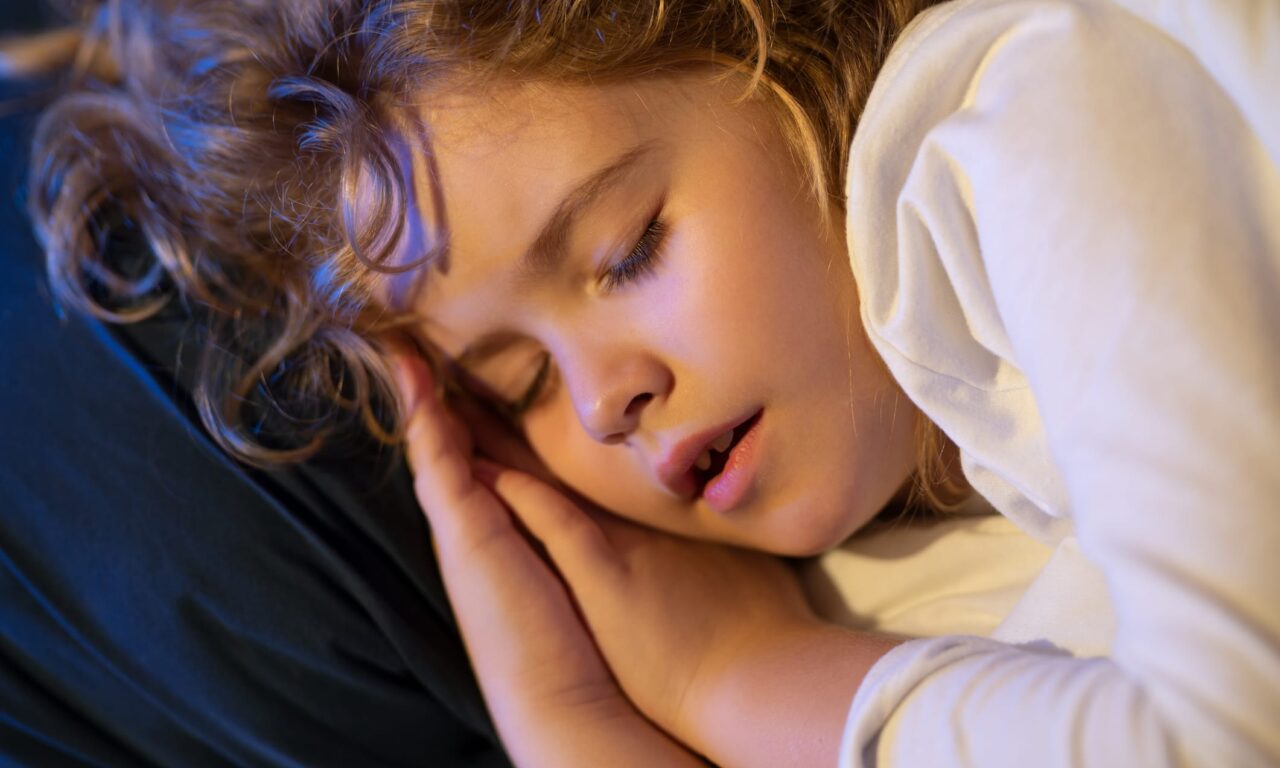
Preparation at home, child-friendly environments, and experienced techs can improve the in-lab polysomnography experience for the youngest patients, as well as those with sensitivities or anxiety.

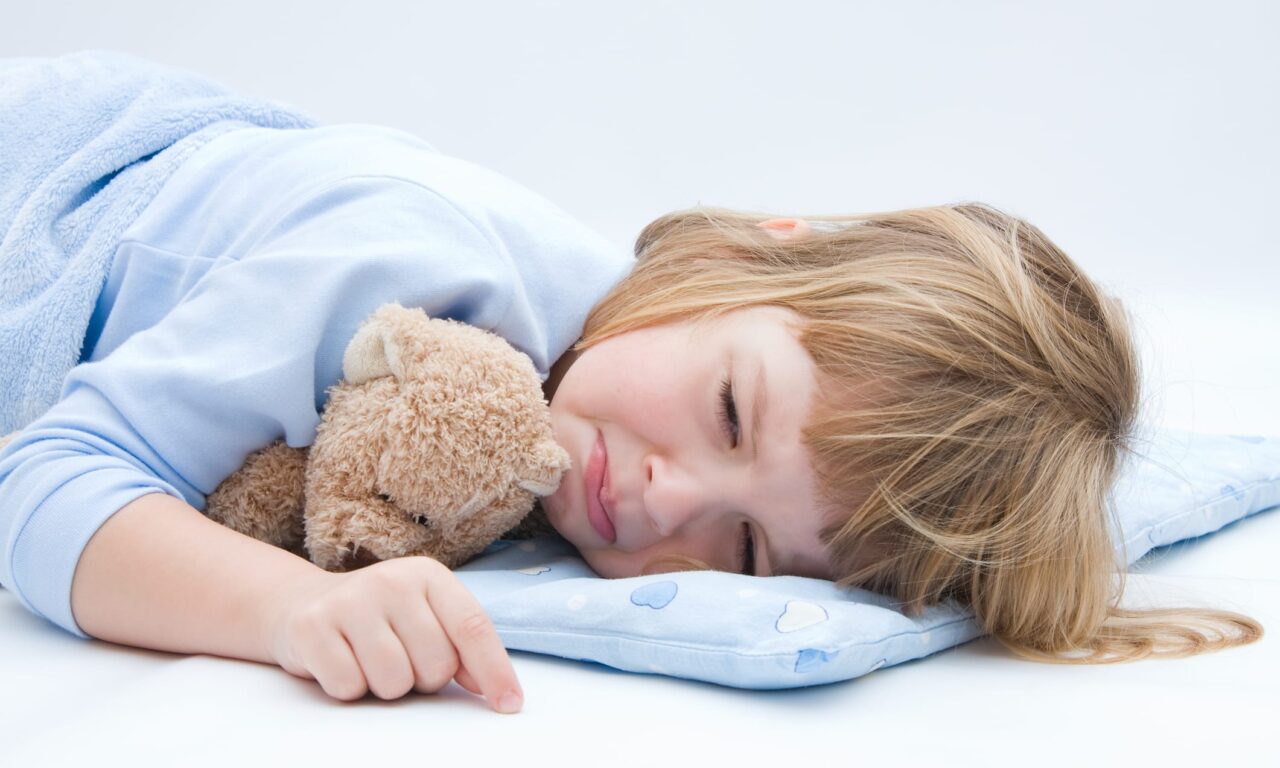
Preparation at home, child-friendly environments, and experienced techs can improve the in-lab polysomnography experience for the youngest patients, as well as those with sensitivities or anxiety.
A retrospective analysis of over 40,000 female veterans finds a 16% higher odds of all-cause mortality for women in a specific age group with high sleepiness scores, but not in those older or younger.





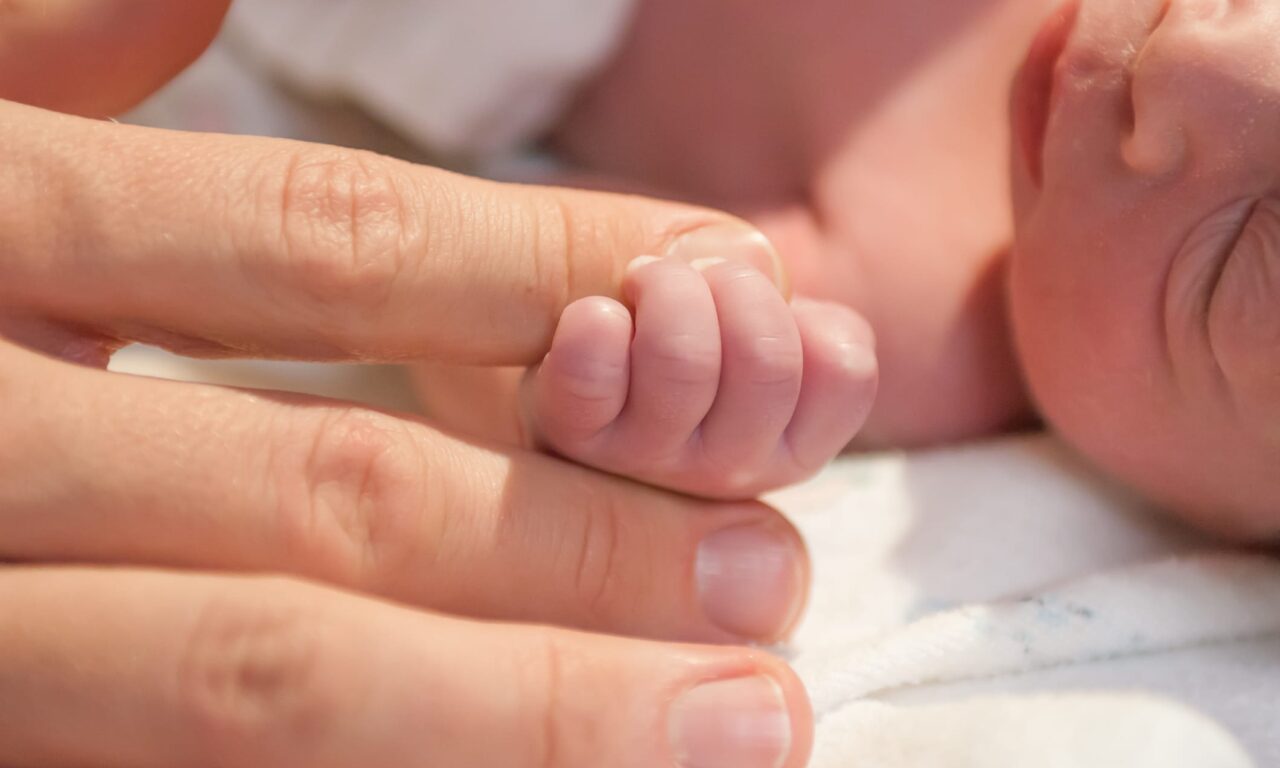
Disordered sleep becomes apparent at birth for many newborns with prenatal opioid exposure. The sleep medicine community is uniquely positioned to provide support.





The products are part of the company's new Brighter Pediatrics line, featuring pediatric NIV/CPAP masks, ventilator circuits, and closed ventilator suction systems.
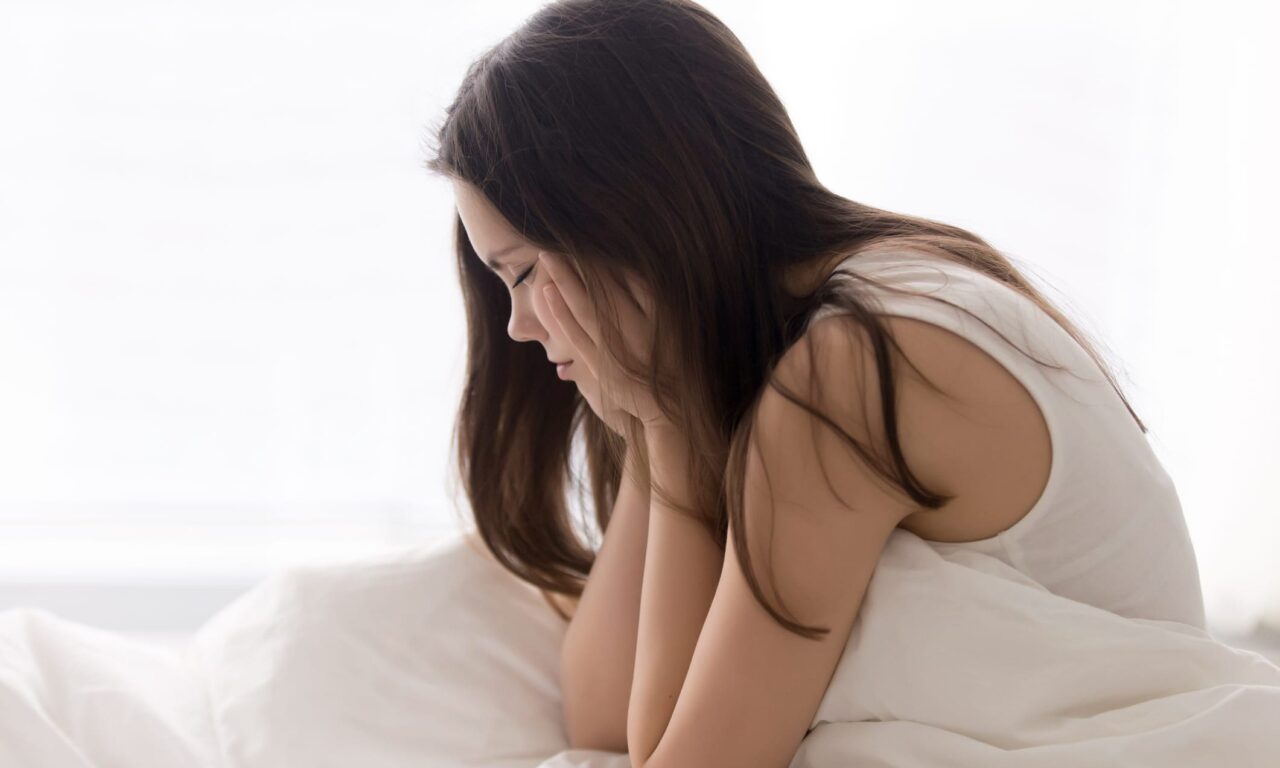
A survey of over 1,000 women reveals widespread sleep challenges and highlights the need for better healthcare support and resources.

A new study highlights racial and ethnic differences in children's sleep patterns, linking greater variability in sleep times to structural and sociocultural factors.
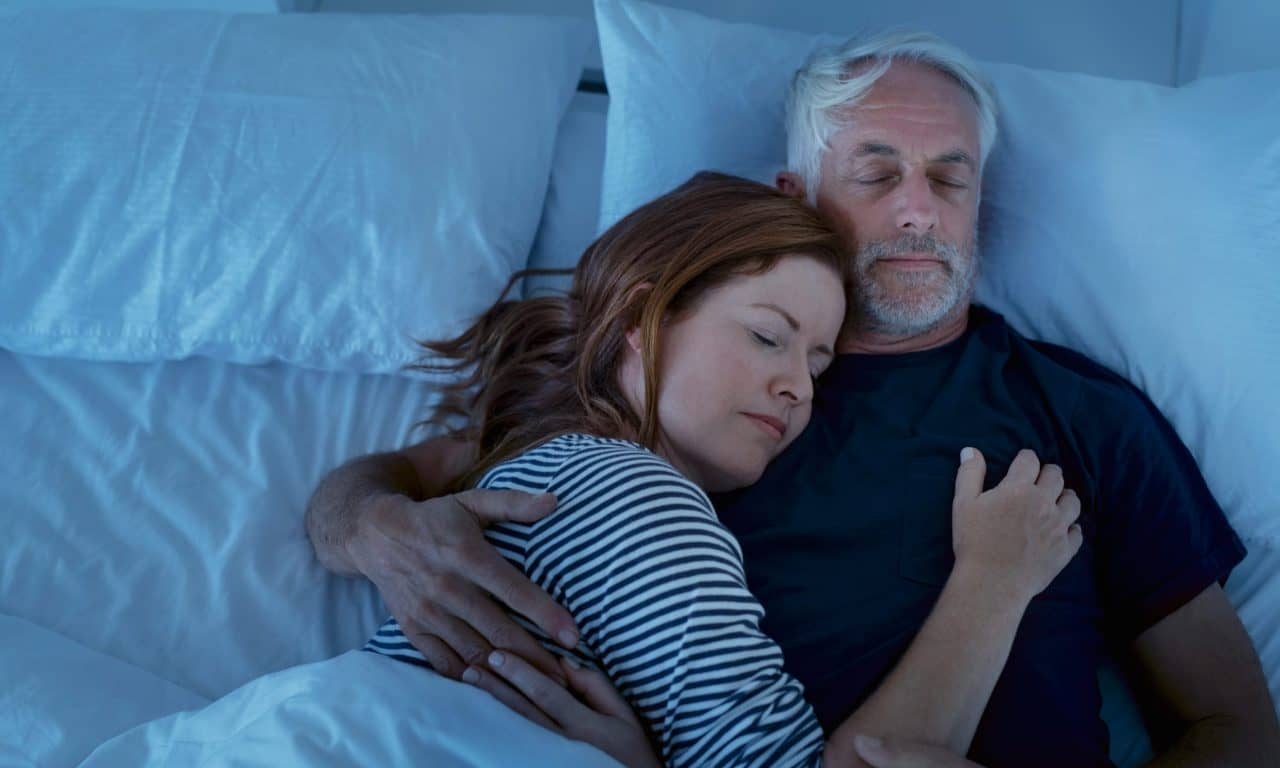
Recent studies on co-sleeping reveal its widespread cultural acceptance, potential impact on sleep patterns, and mixed findings on its benefits for emotional and mental health across various age groups.
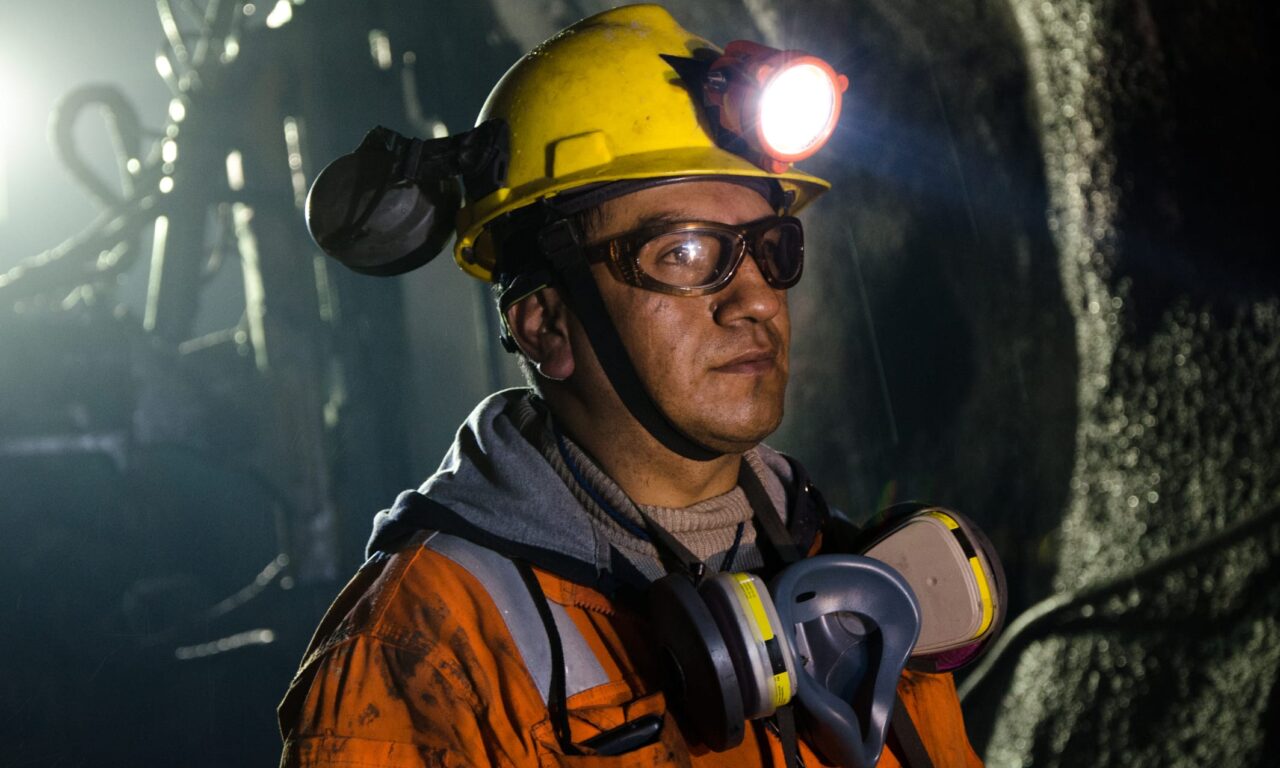
Long shifts, harsh conditions, and irregular schedules make sleep a challenge for FIFO mining workers, but a new study highlights strategies that may help.
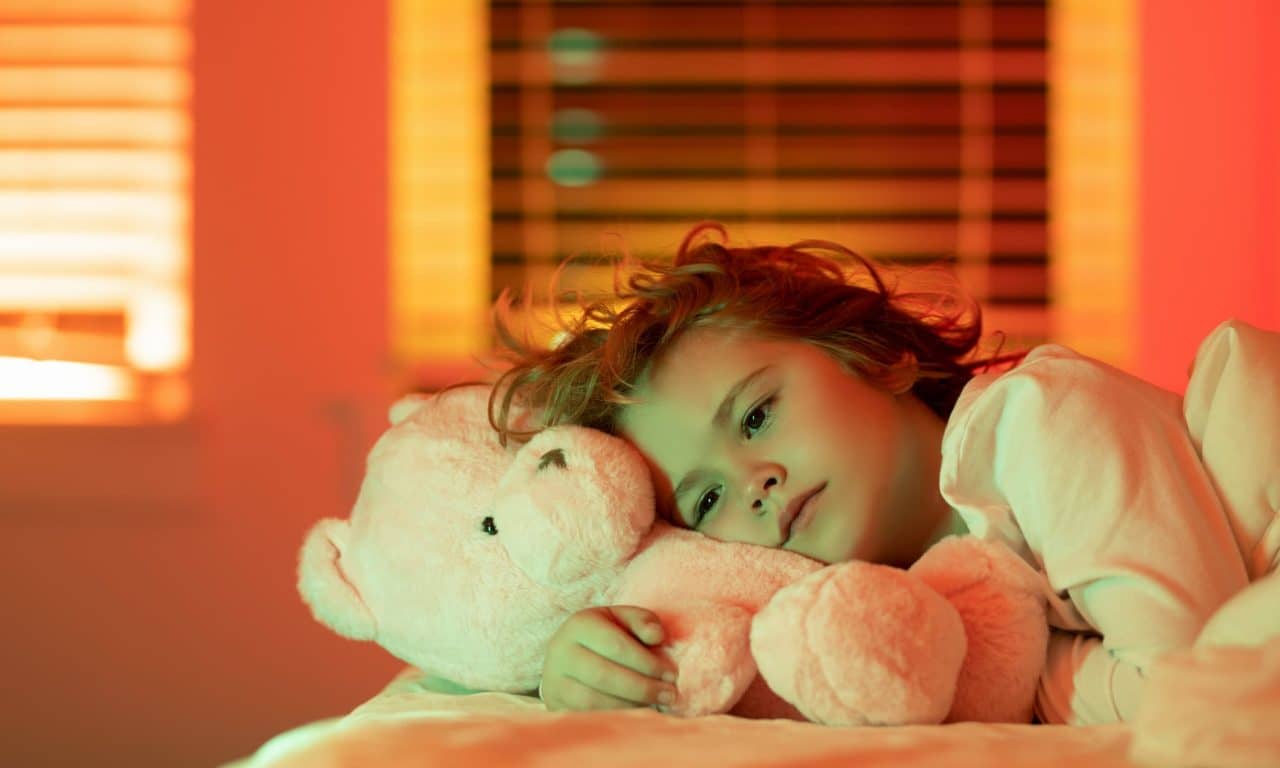
A University of Cincinnati researcher was awarded a $3.4 million grant to investigate how factors like racism, housing instability, screen time, and stress may influence sleep health in young children.

AGA members can now access HALEO’s virtual sleep care services, featuring 24/7 screening, quick care coordination, and CBT-I, at a reduced rate.