
The collaboration aims to support the development of novel sleep disorder therapies and improve the diagnostic process for patients.
Summary: Beacon Biosignals and Takeda have partnered to advance sleep disorder research through home-based EEG monitoring. Utilizing Beacon’s FDA-cleared Dreem 3S EEG headband and AI analytics, the collaboration aims to collect high-quality, real-time sleep data to support clinical trials for conditions like narcolepsy. This initiative will allow for more personalized treatment strategies and improve the diagnostic process by enabling patients to participate in studies from home, reducing the need for lab visits and speeding up data collection and analysis.
Key Takeaways:
- Beacon Biosignals and Takeda are collaborating to use at-home EEG monitoring for sleep disorder research, leveraging Beacon’s FDA-cleared Dreem 3S EEG headband and AI-driven analytics.
- The partnership focuses on collecting longitudinal, laboratory-quality sleep data from patients’ homes to support clinical trials, specifically targeting conditions like narcolepsy.
- This approach is designed to improve the diagnostic journey for patients by reducing the need to travel to sleep labs and enabling faster, more accurate sleep testing and data analysis.
Beacon Biosignals, a maker of at-home EEG and computational neurodiagnostics, announced a collaboration with biopharmaceutical company Takeda to conduct at-home sleep monitoring to support clinical trials for sleep disorders leveraging Beacon’s neurophysiology platform, including the US Food and Drug Administration (FDA)-cleared Dreem 3S EEG headband, artificial intelligence (AI)-powered analytics, and EEG database.
Understanding the importance of sleep-related disturbances is critical to improving the diagnostic journey of sleep disorders such as narcolepsy and enabling more personalized treatment options, according to a release from Beacon. Quantitative sleep data have historically been difficult to collect and analyze at the speed and scale necessary to support clinical development.
This collaboration enables Takeda to collect laboratory-quality sleep data from a patient’s home, longitudinally, and at-scale using Beacon’s advanced wearable sleep EEG hardware, AI-powered analytics, and clinical operations services.
“Takeda is committed to developing life-transforming therapies for areas of highest unmet need, including narcolepsy and other sleep-wake disorders. In partnering with Beacon, we will now have access to real-time, longitudinal sleep data that better reflects the daily burden of living with these disorders,” says Elena Koundourakis, head of the orexin franchise development and neuroscience portfolio strategy at Takeda. “The Beacon platform will be used to inform our clinical trial designs including defining quantitative, digital endpoints based on objective measures of sleep patterns, which could support more tailored treatment approaches and improve the diagnostic journey for patients.”
Home-Based EEG Technology
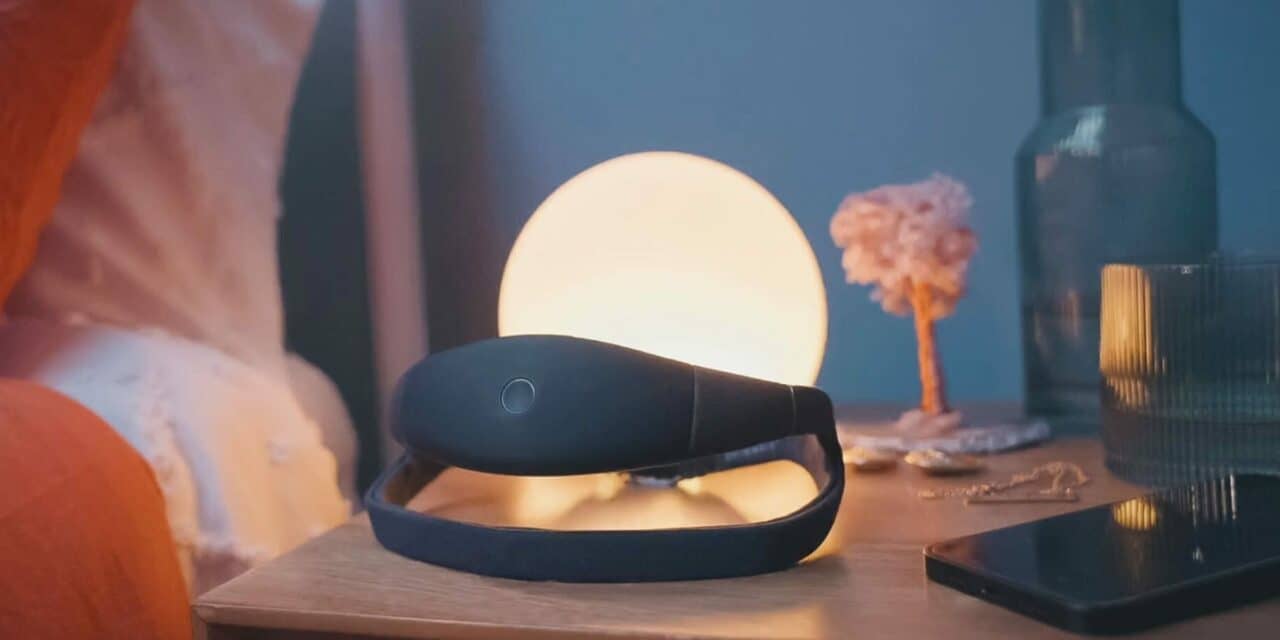
The Beacon Platform facilitates comprehensive insights into sleep and wake brain function. The Dreem 3S headband, which recently earned FDA 510(k) medical device clearance, enables longitudinal sleep data collection from patients in the comfort of their home and via self-application without the need for specialized technologists.
Collecting these data remotely alleviates the patient burden of travelling to a sleep lab and may improve the diagnostic journey by enabling faster sleep testing. Additionally, Beacon’s advanced machine learning algorithms, which are also FDA 510(k)-cleared, rapidly analyze EEG data to capture validated clinical trial endpoints and score sleep stages with equivalent performance to human experts.
Driving Sleep Diagnostics and Therapeutic Development
In this collaboration with Takeda, Beacon’s AI-powered technologies establish a foundation for improved diagnostics and support the development of interventions for disorders with excessive daytime sleepiness or disturbed nighttime sleep, according to a release from the company.
“Beacon is thrilled to work with Takeda to support the advancement of therapies that can improve the lives of patients. Sleep is fundamental to brain health and together we’re setting a new standard for rigorously measuring sleep in clinical trials,” says Jacob Donoghue, MD, PhD, CEO of Beacon, in a release. “By improving the patient experience and operationalizing at-home sleep assessments at scale, we are generating unprecedented, high-quality data on brain function during drug development. This paves the way for real-world use in clinical diagnostics across neurological and psychiatric indications.”
Photo caption: Beacon’s Dreem 3S headband, an FDA 510(k) cleared device that enables longitudinal sleep data collection from patients via self-application at home.
Photo credit: Beacon Biosignals