
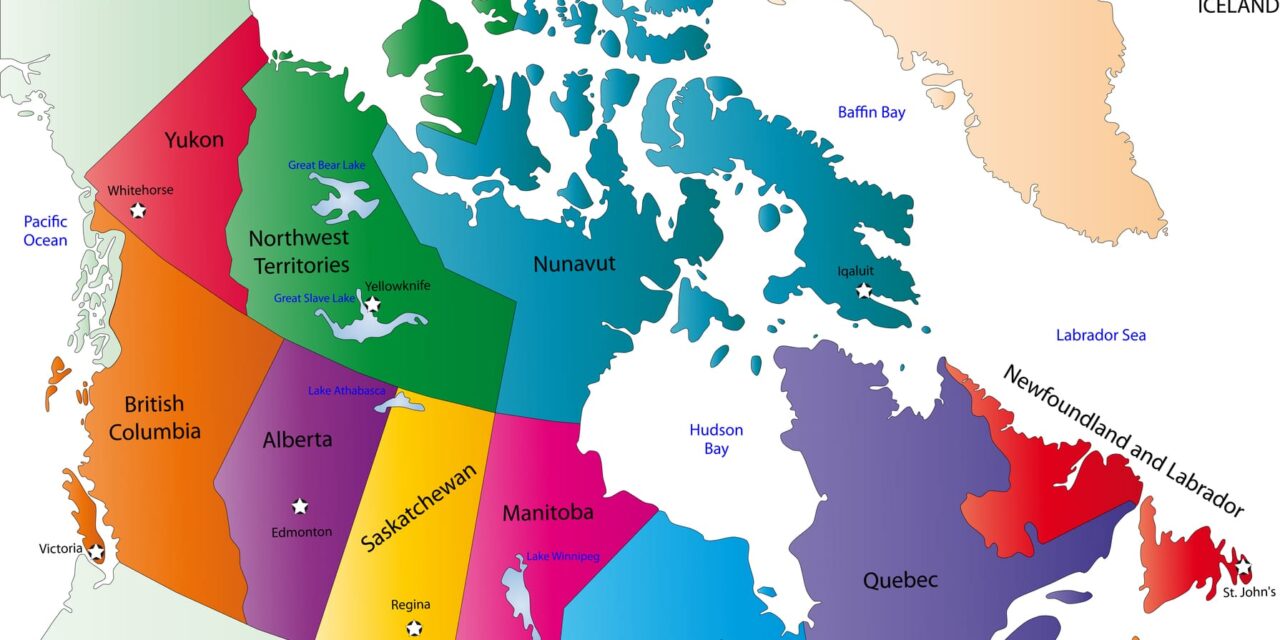
The province will adopt permanent Daylight Saving Time, effective this month.
Key takeaways:
- British Columbia will transition to permanent daylight saving time (Pacific time) after clocks move forward on March 8, 2026.
- The new time zone will be fixed at UTC-7, eliminating the need to turn clocks back in November 2026.
- Public engagement data indicates 93% of respondents support year-round daylight saving time.
- While originally delayed to align with US states, the province is moving forward based on shifting cross-border circumstances.
The province of British Columbia, Canada, is adopting permanent year-round daylight saving time (DST), effectively ending seasonal time changes.
The transition to the new “Pacific time” zone will begin after the province moves clocks forward one hour on Sunday, March 8, 2026. This will mark the final time change for the region. Consequently, on Nov 1, 2026, when clocks would typically turn back, no adjustment will be required. The new permanent time zone will be set seven hours behind Coordinated Universal Time (UTC-7), matching the offset currently used during daylight saving time.
“Every parent knows that changing clocks twice a year causes a significant amount of chaos on already busy lives. British Columbians have been clear that seasonal time changes do not work for them,” says David Eby, premier of British Columbia, in a release. “This decision isn’t just about clocks. It’s about making life easier for families, reducing disruptions for businesses and supporting a stable, thriving economy. I am hopeful that our American neighbors will soon join us in ending disruptive time changes.”
British Columbia Residents Support Permanent DST
In summer 2019, British Columbia conducted a public engagement on time observance that saw participation from 223,000 people, with 93% supporting adopting year-round DST. Similarly, across all industry groups and nearly all occupational groups, support for year-round DST observance was higher than 90%.
Evidence suggests there are many benefits to ending the seasonal time change, including:
- more consistency and fewer disruptions to sleep patterns, school schedules, and daily routines;
- more usable light in the evenings in winter, allowing more leisure time, participation in outdoor activities and consumer activity;
- reduced administrative burden for small businesses and service providers who may require less system reprogramming, schedule shifts and operational resets every spring and fall; and
- more consistency for planning across transportation and technology services.
However, the American Academy of Sleep Medicine supports the replacement of daylight saving time with permanent standard time, not permanent daylight saving time.
There are a small number of communities in eastern parts of British Columbia that observe some form of mountain time instead of Pacific time. Those regions will not be affected by these changes. However, as a result of Pacific time no longer changing twice a year, many of these communities will be brought into greater alignment with the rest of British Columbia.
“We have heard the overwhelming majority of people in B.C. who want to end the back-and-forth of seasonal time changes,” said Niki Sharma, Attorney General, in a release. “This shift offers more stability, supports public well-being and reduces twice-yearly, unnecessary disruptions to the routines of parents, shift workers, small businesses, pet owners and so many more. I look forward to all of us enjoying an extra hour of sunlight after work and school for many winters to come.”
ID 6342147© Indos82| Dreamstime.com