A newly published study reports significant clinical improvement and brain-network modulation in patients treated with the noninvasive neurostimulation device.
Key takeaways:
- A randomized, sham-controlled trial found four weeks of Nexalin’s 15 mA, 77.5 Hz stimulation significantly reduced PSQI scores from 13.8 to 7.7.
- Neuroimaging data revealed modulation in the Default and Salience/Ventral Attention networks, providing mechanistic evidence for the treatment’s effect on brain functional health.
- The findings add to the clinical literature supporting Nexalin’s planned De Novo FDA submission for its HALO Clarity insomnia program.
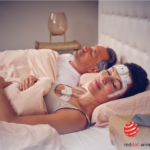
Nexalin Technology Inc announced the online publication of a peer-reviewed study in Psychotherapy and Psychosomatics detailing significant clinical improvement and measurable brain-network modulation in patients with chronic insomnia treated with the company’s noninvasive deep intracranial frequency stimulation (DIFS) technology.
The randomized, double-blind, sham-controlled trial evaluated the effects of four weeks of active treatment using Nexalin’s high-power 15 mA, 77.5 Hz stimulation approach versus sham devices. According to the publication, patients in the active treatment group experienced a statistically significant reduction in Pittsburgh Sleep Quality Index (PSQI) scores from 13.8 to 7.7 (p < 0.001). The sham group showed no significant change, with PSQI scores moving from 13.8 to 13.9 (p = 0.74).
It also reported that treatment was associated with measurable modulation of neural activity and functional connectivity. This modulation occurred in primary brain networks implicated in hyperarousal, emotional regulation, and self-referential processing, including the Default and Salience/Ventral Attention networks. The authors concluded the findings offer insight into the potential mechanism by which the proprietary frequency stimulation improves brain functional health and sleep quality in individuals with chronic insomnia.
“This publication represents another important scientific validation point for Nexalin and our proprietary DIFS technology,” says David Owens, MD, chief medical officer of Nexalin Technology, in a release. “We believe these findings go beyond simply suggesting symptom improvement; they also provide neuroimaging evidence indicating that our high-power, noninvasive approach may be modulating key brain networks. This combination of clinical signal and mechanistic support further strengthens the case for Nexalin’s treatment platform and reinforces the broader potential of DIFS across neuropsychiatric indications.”
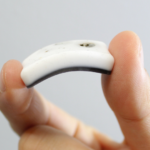
Nexalin’s medical devices are developed to provide relief using frequency-based bioelectronic medical technology designed to penetrate structures deep in the mid-brain.
“We believe Nexalin DIFS represents a breakthrough in neurostimulation technology,” says Mark White, CEO of Nexalin Technology, in a release. “Unlike conventional approaches that may be limited by power, invasiveness, tolerability, or depth of engagement, DIFS is designed to deliver a differentiated, high-power, noninvasive stimulation approach that is undetectable to the human body. We believe Nexalin has the potential to meaningfully advance the standard of care for mental health. Based on the growing body of clinical and scientific evidence, we believe DIFS stands apart from currently available neurostimulation techniques and may offer a superior platform for addressing complex brain-based disorders.”
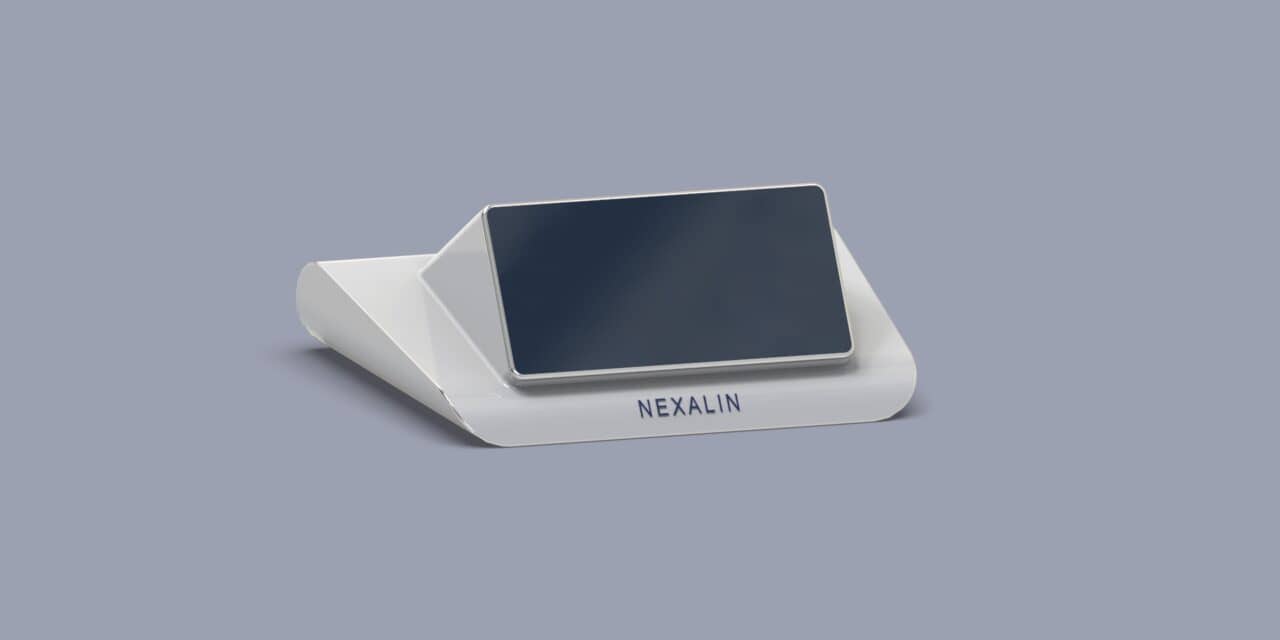
The newly published paper adds to Nexalin’s expanding body of clinical literature across insomnia and other neuropsychiatric indications. The company previously announced positive published insomnia data from a 120-participant multicenter study and is advancing its pivotal HALO Clarity trial, which is intended to support a planned de novo FDA submission in insomnia. The Nexalin Gen-2 15 milliamp neurostimulation device has been approved in China, Brazil, Oman, and Israel.