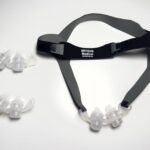

A peer-reviewed study finds the company’s telehealth-guided pathway for mandibular advancement devices achieved significant apnea-hypopnea index reductions and high treatment success rates.
Key takeaways:
- A study in the American Journal of Clinical and Medical Research evaluated Daybreak’s fully virtual, dentist-led care model for mandibular advancement device therapy in 185 patients with mild to moderate OSA.
- Overall, 83% of patients met SHER criteria for treatment success, with 88% of mild obstructive sleep apnea patients achieving an apnea-hypopnea index of less than 5.
- The model incorporated at-home sleep tests, guided at-home dental impressions, and weekly virtual titration of the custom-fabricated device.
A new peer-reviewed study published in the American Journal of Clinical and Medical Research finds that Daybreak’s fully virtual, dentist-directed care model using a mandibular advancement device (MAD) is an effective treatment for patients with mild to moderate obstructive sleep apnea (OSA).
The retrospective cohort study, conducted by investigators at Cedars-Sinai Medical Center, evaluated 185 patients who used a telehealth-guided system from Daybreak. The virtual care pathway included an initial home sleep test (HST), guided at-home capture of dental impressions, weekly virtual titration of the custom oral appliance, and a post-treatment HST to measure outcomes. In the study, the minimum time for treatment completion was 10 days, and the median was 42 days.
The telehealth service guided patients through the process of capturing upper and lower dental impressions using polyvinyl siloxane putty, along with intraoral photographs taken using a provided cheek retractor. The resulting dental impressions and bite were reviewed by Daybreak and, if approved, digitized via CT scanning to generate 3D models. These models, along with the submitted intraoral photographs, were reviewed by a dentist licensed in the patient’s state of residence to determine clinical appropriateness for oral appliance therapy.
The results demonstrated a mean apnea-hypopnea index (AHI) reduction of 63.3% in patients with mild OSA (from 9.08 to 3.33) and 60.95% in those with moderate OSA (from 22 to 8.59). Overall, 83% of patients met the Sleep Health Experts Recommendations (SHER) criteria for treatment success.
Among patients with mild OSA, 88% achieved a post-treatment AHI of less than 5, and 95% had an AHI of less than 10. For the moderate OSA group, 48% achieved an AHI of less than 5, while 77% reached an AHI of less than 10.
“What excites me most about this study is that it demonstrates that our treatment approach at Daybreak can expand access to care while maintaining the highest clinical standards,” says Peter Balacky, DDS, dental director at Daybreak, in a release. “By standardizing the process and guiding patients through treatment remotely, the study shows that telehealth-guided mandibular advancement therapy can achieve outcomes comparable to traditional care models.”
In addition to objective AHI reductions, 82% of patients reported subjective improvement in snoring. The study’s titration protocol, which started at 1 mm of advancement and increased in 1 mm weekly increments, also suggests that patients saw improvement with minimal advancement.
The study authors conclude that the dentist-directed, virtual health-integrated MAD therapy is “a viable and accessible alternative to in-clinic care, especially for populations facing barriers to traditional sleep medicine services.”