A new Australian study finds that a simple saline nasal spray can resolve symptoms of obstructive sleep-disordered breathing in children, potentially reducing the need for surgery and specialist care.
Key takeaways:
- The MIST+ clinical trial found that nearly one in three children with sleep-related breathing difficulties saw complete symptom resolution after a six-week course of saline nasal spray.
- After 12 weeks of treatment, 50% of children recovered, avoiding the need for specialist care and tonsil or adenoid removal surgery.
- Researchers observed no difference in outcomes between children who used a steroid nasal spray and those who continued with a saline spray for the second six-week phase of the trial.
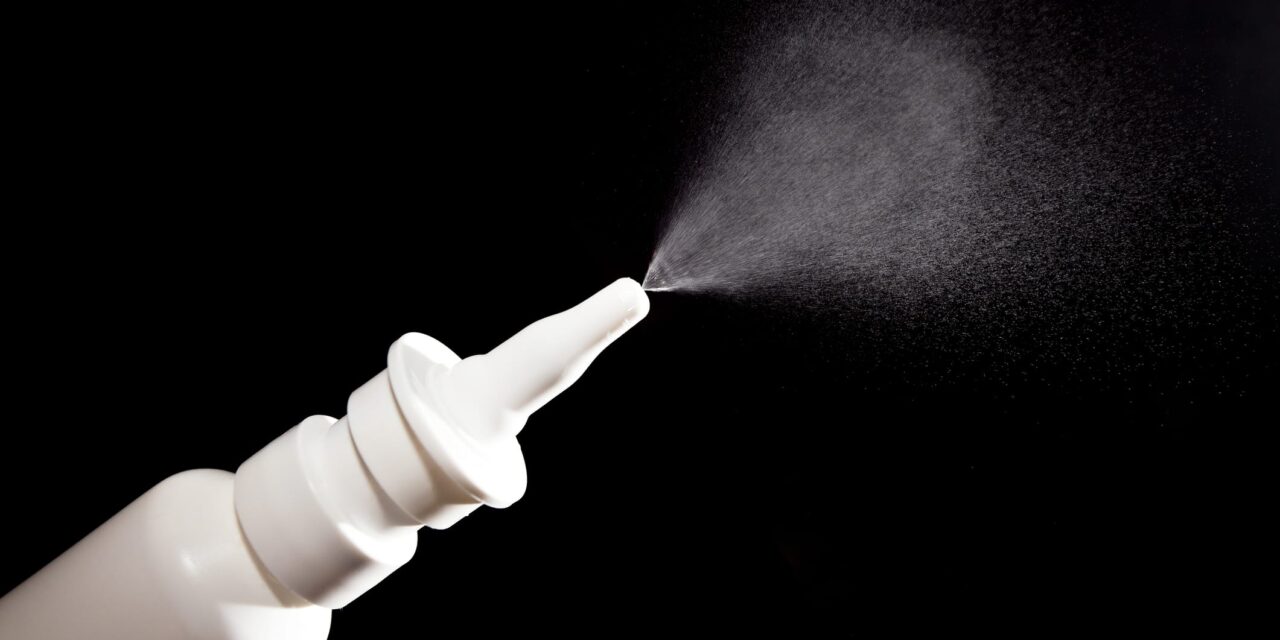
A daily saline nasal spray can be highly effective in relieving symptoms of obstructive sleep-disordered breathing in children, potentially avoiding the need for surgery and specialist care, according to a new Australian study.
Researchers at Monash University and Monash Children’s Hospital’s Melbourne Children’s Sleep Centre, in collaboration with the Murdoch Children’s Research Institute and the Royal Children’s Hospital, conducted the MIST+ clinical trial. The trial involved 150 children aged 3 to 12 years who had been referred to specialists for sleep-related breathing difficulties.
The children first received a six-week course of saline spray. According to the study, nearly one in three children improved with saline nasal spray alone, with their symptoms resolving completely. Children who still had symptoms were then randomly assigned to receive either a steroid nasal spray or continue with saline for another six weeks. The results showed no difference between the two treatments. Over 12 weeks, 50% of the children had recovered.
Obstructive sleep apnea is the leading reason for tonsil and adenoid removal in Australia. The study’s findings suggest that a low-cost saline option could help manage the large numbers of children with sleep-related breathing problems, potentially reducing long waiting lists for specialist care.
“We know how important sleep is for the health and development of kids, and we now understand that a simple saline nasal spray could be key to unlocking good sleep,” says Gillian Nixon, lead author of the MIST+ study, paediatric respiratory and sleep specialist at Monash Children’s Hospital, and adjunct clinical professor in the department of paediatrics at Monash University, in a release. “Available at your local chemist, saline nasal sprays alone can make a real difference for many children to sleep better without the need for steroid sprays or surgery, which come with a higher chance of potential side effects, costs, and longer recovery time.”
Nixon adds that with the guidance of a general practitioner, families should consider saline for 12 weeks to help resolve common symptoms associated with obstructive sleep apnea before turning to specialist care and surgery.
The MIST+ study was supported by the Garnett Passe and Rodney Williams Memorial Foundation.