Data from 30,000 respondents shows that while most value sleep over diet and exercise, more than half fail to get consistent rest.
Key takeaways:
- Resmed’s sixth annual Global Sleep Survey polled 30,000 individuals across 13 countries.
- 53% of respondents rank sleep as the most important contributor to long-term health, surpassing diet and exercise.
- Despite high awareness, 53% report getting a good night’s sleep only four nights a week or fewer.
- The findings highlight a need for improved education and screening to bridge the gap between sleep awareness and action.
Resmed has released findings from its sixth annual Global Sleep Survey, revealing a widening gap between the public’s recognition of the importance of sleep and their ability to achieve quality rest.
Drawing insights from 30,000 people across 13 countries, the data indicates that sleep health awareness is growing globally. Over half (53%) of respondents rank sleep as the most important contributor to long-term health, placing it above diet and exercise. Furthermore, 84% of respondents worldwide understand that consistent, quality sleep can help extend a healthy lifespan.
However, this high level of awareness has not translated into consistent results. The survey shows that 53% of respondents report getting a good night’s sleep only four nights a week or fewer. This statistic underscores a persistent disconnect between knowing sleep is critical and successfully prioritizing it as part of a healthy lifestyle.
“People are increasingly recognizing sleep as a cornerstone to long-term health, which is encouraging,” says Carlos Nunez, MD, chief medical officer at Resmed, in a release. “But recognition alone is not enough. We need to help people move from awareness to action by addressing everyday barriers and improving access to screening, support, and care.”
Turning Intent into Action
As sleep awareness grows, so does the opportunity to turn intent into action.
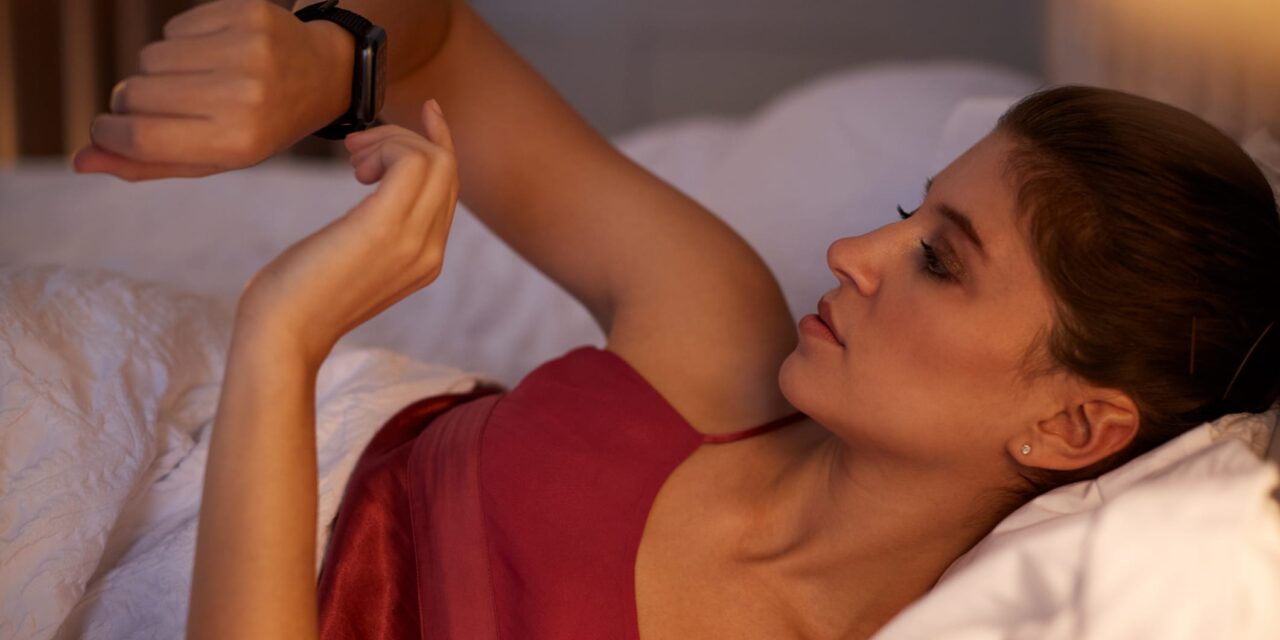
- Increased Wearable Use Raises Sleep Awareness Higher Than Ever: Wearable use for sleep tracking surged among respondents, increasing from 16% in 20252 to 53% in 2026. Smartwatches lead the way, with 58% of respondents globally using them to track their sleep. Among wearable users, 62% say they would seek medical advice if their device flagged a potential risk.
- Following Through on Healthcare Provider Conversations Remains a Challenge: While 66% of respondents say they would consult a healthcare provider for persistent sleep issues, only 23% have done so. Fewer than half (46%) of survey respondents say a healthcare provider has asked about sleep during a routine visit.
How Daily Life Disrupts Sleep
The survey also highlights the everyday pressures shaping sleep patterns worldwide.
- Closing the Sleep Gap for Women: Nearly half of women surveyed (48%) struggle to fall asleep, up from 38% in 2025. For 42% of women surveyed, stress and anxiety are key barriers to consistent, quality sleep compared with over one-third (36%) of men surveyed. Family responsibilities widen the gender gap further, negatively affecting sleep for 39% of women versus 33% of men.
- Recognizing Sleep as a Mental Health Essential: After a poor night’s sleep, more than a third of respondents report higher levels of irritability (36%) and stress (33%). Feelings of depression also increased for a quarter of respondents globally (25%).
- Making Sleep a Workplace Priority: More than half of respondents (58%) agree that heavy workloads negatively affect their sleep. 70% of respondents report taking a “snooze day” — calling in sick after a poor night’s sleep. At the same time, 59% say flexible working arrangements help them better manage their sleep.
- Improving Sleep in Shared Spaces: Sleeping together is associated with stronger intimacy, with 53% of respondents reporting a positive impact on their sex life compared to 23% of those who sleep apart. However, disruption is common: 39% of respondents say their partner interrupts their sleep at least weekly, and 80% experience some level of partner-related sleep disruption.
Survey Methodology
Resmed commissioned an independent survey fielded by Cint from Dec 11, 2025, to Jan 14, 2026. The study included 30,000 individuals across the US, China, India, United Kingdom, Germany, France, Australia, Japan, Korea, Brazil, Poland, Singapore, and Mexico.
The survey was developed in partnership with The Sleep Health Foundation (Australia) and The Sleep Charity (UK) to identify and refine key focus areas. Samples within each country were representative of national gender and age distributions.