The trial, which enrolled 849 adults across 18 sleep centers in France, directly compares the two diagnostic pathways in routine clinical practice.
Key takeaways:
- The SUNSAS trial is the largest randomized controlled study to date comparing an at-home sleep apnea diagnostic pathway to PSG.
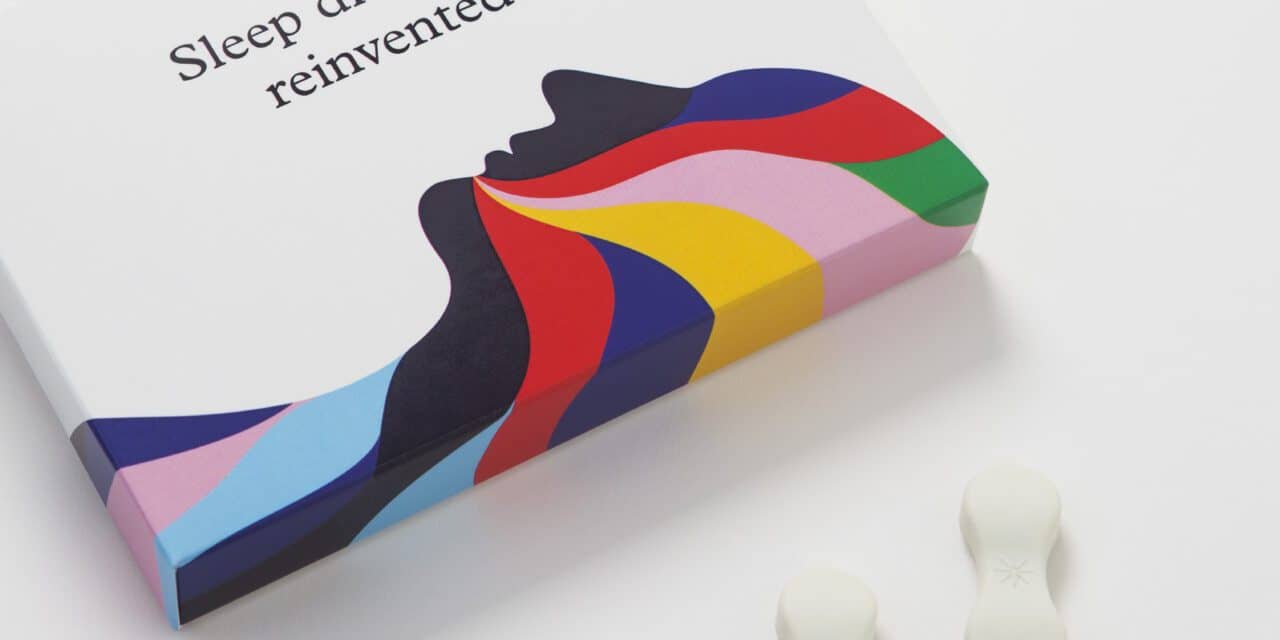
- The Sunrise device utilizes a single, ultra-light chin-worn sensor to capture mandibular jaw movements, using AI to generate comprehensive sleep reports for clinicians.
- Findings indicate the at-home diagnostic pathway can reduce wait times for diagnosis and treatment without compromising patient outcomes compared to traditional lab settings.
- The publication of these results in The Lancet Regional Health – Europe coincides with Sunrise’s recent $29 million funding round to expand its virtual sleep clinic, Dreem Health.
Results from the largest randomized controlled trial evaluating the Sunrise at-home diagnostic pathway for obstructive sleep apnea (OSA) compared with gold-standard polysomnography (PSG) are now published in The Lancet Regional Health – Europe.
Sunrise provides an alternative to traditional sleep testing by using a single, ultra-light chin-worn sensor for at-home use, with versions supporting multi-night assessment. The device captures mandibular jaw movements and analyzes the data using proprietary artificial intelligence (AI)-supported algorithms to generate a detailed sleep report for clinician review.
Conducted between 2021 and 2024, the trial enrolled 849 adults across 18 sleep centers in France. Participants were randomized to receive a diagnosis using either traditional PSG or the Sunrise at-home sleep test, allowing a direct comparison of the two diagnostic pathways in routine clinical practice. The trial, supported by the French Ministry of Health through the Forfait Innovation program, assessed whether a pathway built around Sunrise’s technology could streamline access to diagnosis and treatment while maintaining clinical effectiveness.
Study findings suggest that Sunrise may contribute to sleep apnea diagnostic pathways by supporting testing outside traditional sleep laboratory settings and helping extend access to care in a range of healthcare environments.
Key findings from the SUNSAS study include:
- A diagnosis in days, not months: Sunrise participants received a diagnosis in just 15 days, versus a wait time of over 106 days with PSG.
- A faster access to treatment: Sunrise cut the time to treatment from 124 to 50 days, allowing patients to begin therapy more than twice as fast.
- An improvement in clinical outcomes: Sunrise was as effective as PSG in reducing daytime sleepiness three months after diagnosis. Earlier treatment initiation in the Sunrise group was associated with greater improvements in daytime sleepiness, quality of life, and work productivity three months after study entry.
“By reducing waiting times to diagnosis and treatment without compromising patient outcomes, the Sunrise diagnostic pathway may offer a pragmatic solution to support access to timely management in routine clinical practice, an important step forward for sleep medicine,” says Jean-Louis Pépin, MD, PhD, coordinating investigator of SUNSAS and professor of sleep medicine at the Grenoble Alpes University, in a release.
“SUNSAS was made possible through the strong commitment of the participating sleep centers, whose physicians and site staff played a central role in the successful conduct of the study and in generating high-quality evidence in sleep apnea diagnosis,” says Laurent Martinot, co-founder and CEO of Sunrise Group, in a release. “Conducted within the framework of the Forfait Innovation program, SUNSAS provides pivotal data needed to guide reimbursement discussions and support broader integration of Sunrise into routine clinical practice internationally.”
The study results follow a $29 million raise by Sunrise, which supports the expansion of the company’s clinical services, particularly through Dreem Health, its US-based virtual sleep clinic. Sunrise is building advanced software and hardware to improve how sleep disorders are detected, monitored, and treated, aiming to make sleep care faster and more accessible.