How to Treat Central Sleep Apnea in 2025
An AASM guideline update reopens the door to ASV, adds transvenous phrenic nerve stimulation, and shifts success metrics beyond the AHI.


An AASM guideline update reopens the door to ASV, adds transvenous phrenic nerve stimulation, and shifts success metrics beyond the AHI.
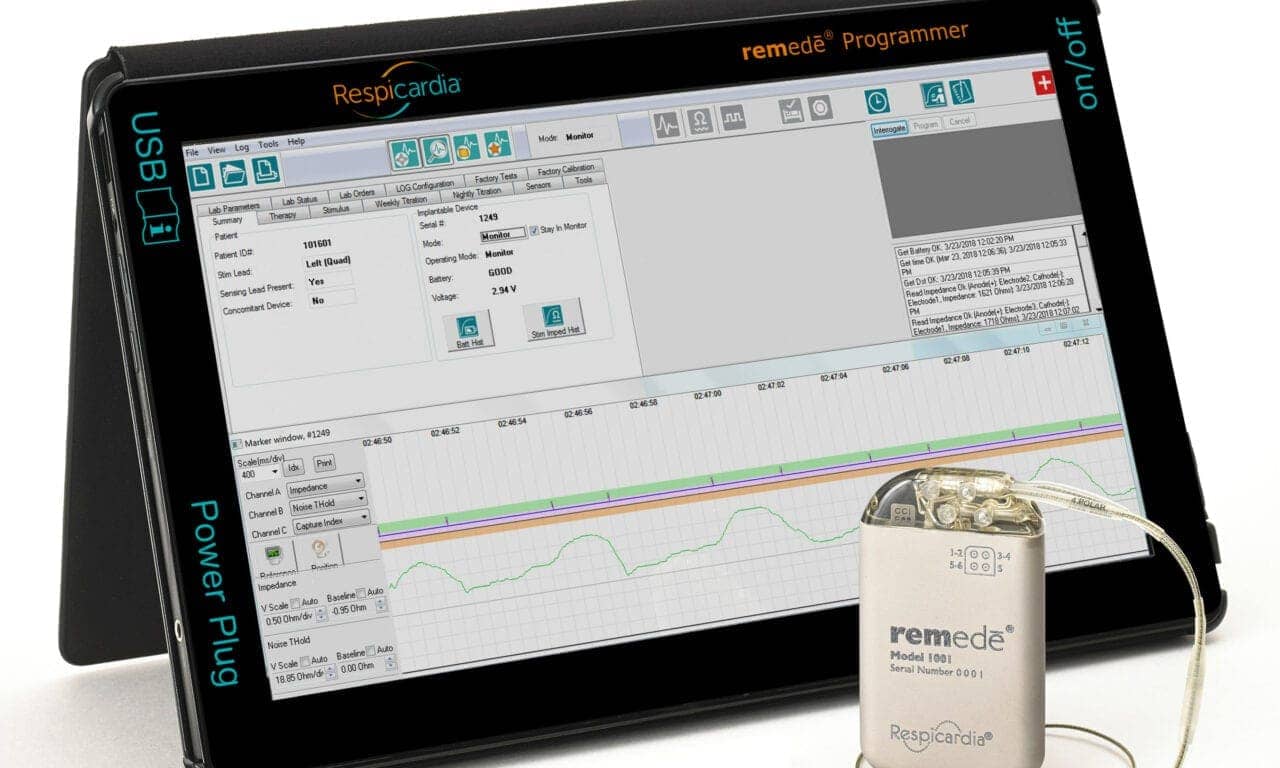
Heart failure patients with central sleep apnea treated with phrenic nerve stimulation show significant improvements in survival rates, hospitalization, and overall health status.








A research team at Baylor College of Medicine and collaborating institutions investigated the function of the protein Rev-erbα/β, a key component of the circadian clock, on heart disease development in animal models and human patients.
Read More
If the questionnaire suggests the patient may have sleep apnea, they receive further in-hospital screening using one of two devices: high-resolution pulse oximetry and ResMed ApneaLink.
Read More
The study defines healthy sleep patterns as rising in the morning, sleeping 7-8 hours, and having no frequent insomnia, snoring, or EDS.
Read MoreThe webinar Comparison of Various Forms of PAP Therapies for Sleep-disordered Breathing in Heart Failure, produced by Sleep Review and sponsored by Philips Respironics, is available for free and immediate on-demand viewing.
Read More
New findings on ASV use in particular patient groups mean the best sleep clinicians weigh more data than ever in determining what device to try.
Read More