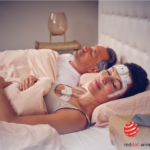

Hypoxic burden has also been added to the platform for the chest-worn home sleep test.
Key takeaways:
- Huxley Medical introduced SANSA GO, a point-of-care enrollment model to its SANSA HST platform.
- It also adds hypoxic burden, an additional measure of cardiovascular strain linked with sleep apnea.
- Stop by the Huxley booth (#706) at SLEEP to discuss SANSA.
Huxley Medical has introduced two additions to its SANSA platform:
- SANSA GO, a point-of-care enrollment model that enables clinics to dispense the device at patient visits, and
- hypoxic burden, an additional measure of cardiovascular strain associated with sleep apnea.
These additions build on SANSA’s existing US Food and Drug Administration (FDA) clearances as a multi-diagnostic monitor capable of assessing electrocardiograms (ECG), obstructive sleep apnea, and central sleep apnea using a single chest-worn patch. When paired with the company’s SANSA Express home enrollment model, SANSA GO is designed to provide workflow flexibility to clinics by replicating the clinic-and-home access models used in cardiac monitoring programs.
“When monitoring our atrial fibrillation patients, we switch between handing out ambulatory ECG patches in clinic or shipping to patients at home, depending on what’s best for the patient,” says Luigi Di Biase, MD, PhD, section head electrophysiology and director of arrhythmia services at Montefiore Einstein, in a release. “SANSA now gives us the same easy-to-operationalize workflow to manage underlying sleep apnea that’s often making their heart disease worse.”
The addition of the hypoxic burden metric extends the platform’s cardiovascular insights alongside its FDA-cleared ECG. A population study of 325 patients wearing SANSA found that those with cardiovascular disease, including atrial fibrillation and other arrhythmias, were more than twice as likely to have an elevated hypoxic burden.
“Hypoxic burden and ECG in the same test help me discern who I can manage in primary care and who needs to move quickly to treatment and cardiology follow-up,” says Kunal Agarwal, MD, medical director at TidalHealth and an author of the study, in a release. “As a primary care physician, I am often the first clinician to evaluate patients with sleep apnea and cardiovascular disease. SANSA’s ease of use and access to both sleep and cardiac information from a single study helps guide more efficient patient care.”
Agarwal will present the study’s findings at the SLEEP 2026. SANSA GO and the hypoxic burden measure will become commercially available nationwide during the meeting, held June 14-17.