The new guidance evaluates the potential and limitations of non-FDA cleared smartwatches, rings, and fitness trackers for monitoring sleep, seizures, and other neurological conditions.
Key takeaways:
- The American Academy of Neurology has issued new guidance on the use of non-FDA cleared wearable devices and digital apps as potential tools in neurological care.
- Consumer wearables can monitor sleep duration and stages, though limitations include physicians not having access to all generated patient data.
- The guidance highlights the potential of these devices to provide more complete health data while warning of limitations such as inaccurate readings, data privacy concerns, and increased patient anxiety.
Consumer wearable devices and digital apps are emerging as potential tools in neurological care, prompting the American Academy of Neurology (AAN) to issue new guidance on their clinical use.
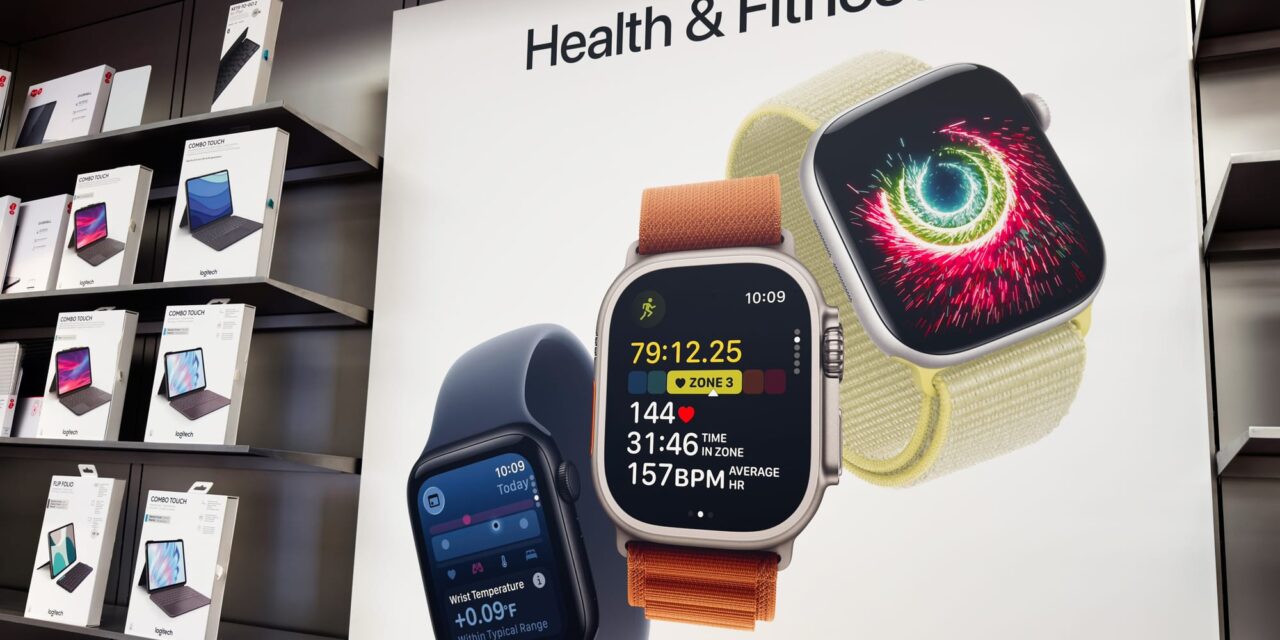
Published as an Emerging Issues in Neurology article in the medical journal Neurology, the guidance evaluates the use, limitations, and evidence surrounding non-US Food and Drug Administration (FDA)-cleared wearable technology. These consumer devices, which include smartwatches and fitness trackers, monitor health factors such as sleep, physical activity, and heart rate. Emerging Issues in Neurology articles are designed to provide timely guidance derived from expert consensus for neurologists regarding issues that have immediate implications for patient care while the formal evidence base is still evolving.
“Wearable technology has grown in popularity with some people using devices to share health data with their physicians,” says author Sarah M. Benish, MD, FAAN, of the University of Minnesota in Minneapolis, in a release. “While these consumer devices may provide useful data for neurological conditions, some important issues remain, like making sure people are using them for the appropriate amount of time and have an understanding of their limitations, such as producing falsely alarming or falsely reassuring results. Such devices may also have unintended effects like increased anxiety.”
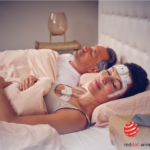
For monitoring sleep, the AAN notes that non-FDA wearable devices have advanced rapidly, utilizing wristbands, rings, and headbands to assess sleep duration and sleep stages. Despite challenges—such as physicians potentially lacking access to all the sleep data—the authors anticipate broader use of these wearables due to their affordability and ability to monitor a person’s sleep at home.
Beyond sleep, the guidance addresses the use of wearables for other neurological concerns. For heart rate and cardiac arrhythmia, smartwatches can serve as screening tools for conditions like atrial fibrillation, though additional medical testing is needed to confirm a diagnosis. In epilepsy management, fitness trackers paired with electronic seizure diaries have shown preliminary success in improving the accuracy of forecasting seizures. For headache management, biofeedback wearables and actigraphy devices are being used to monitor rest and activity cycles, revealing trends such as increased sleep and reduced activity during headache episodes.
“The landscape for wearable devices that provide health screenings, monitoring, and even treatments is rapidly changing and therefore hard for physicians to know each individual device,” says Benish in a release. “This technology has great potential to provide more complete data for each person, allowing for greater insights into their health and possible identification of triggers to allow for a more individualized and successful treatment plan.”
However, limitations remain. Benish notes that other concerns include data privacy, cost-related disparities in care, and the potential for inappropriate diagnosis. The AAN advises that physicians should review wearable data when presented by patients and be prepared to discuss the limitations and risks of use. Further understanding and validation of these devices are needed before they can be fully utilized in neurological care.