Rather than ceding social media to unqualified influencers, sleep medicine professionals are learning to compete for public attention with evidence-based education.
By Emma Cooksey, Mollie Eastman, and Teresa Power
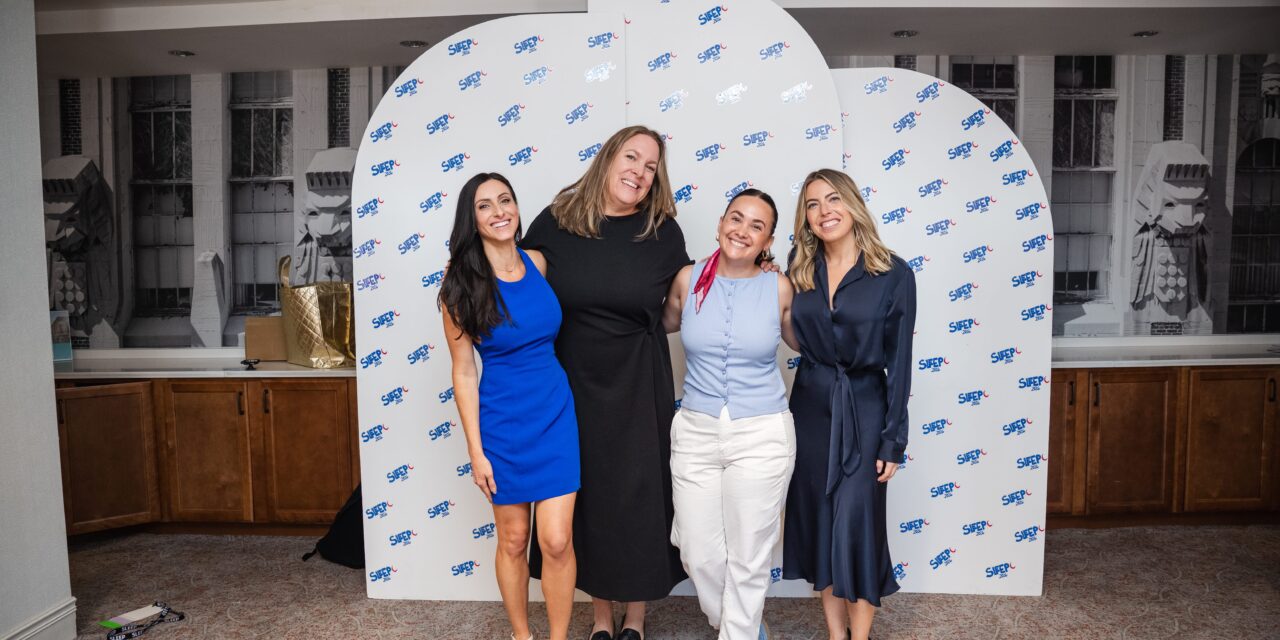
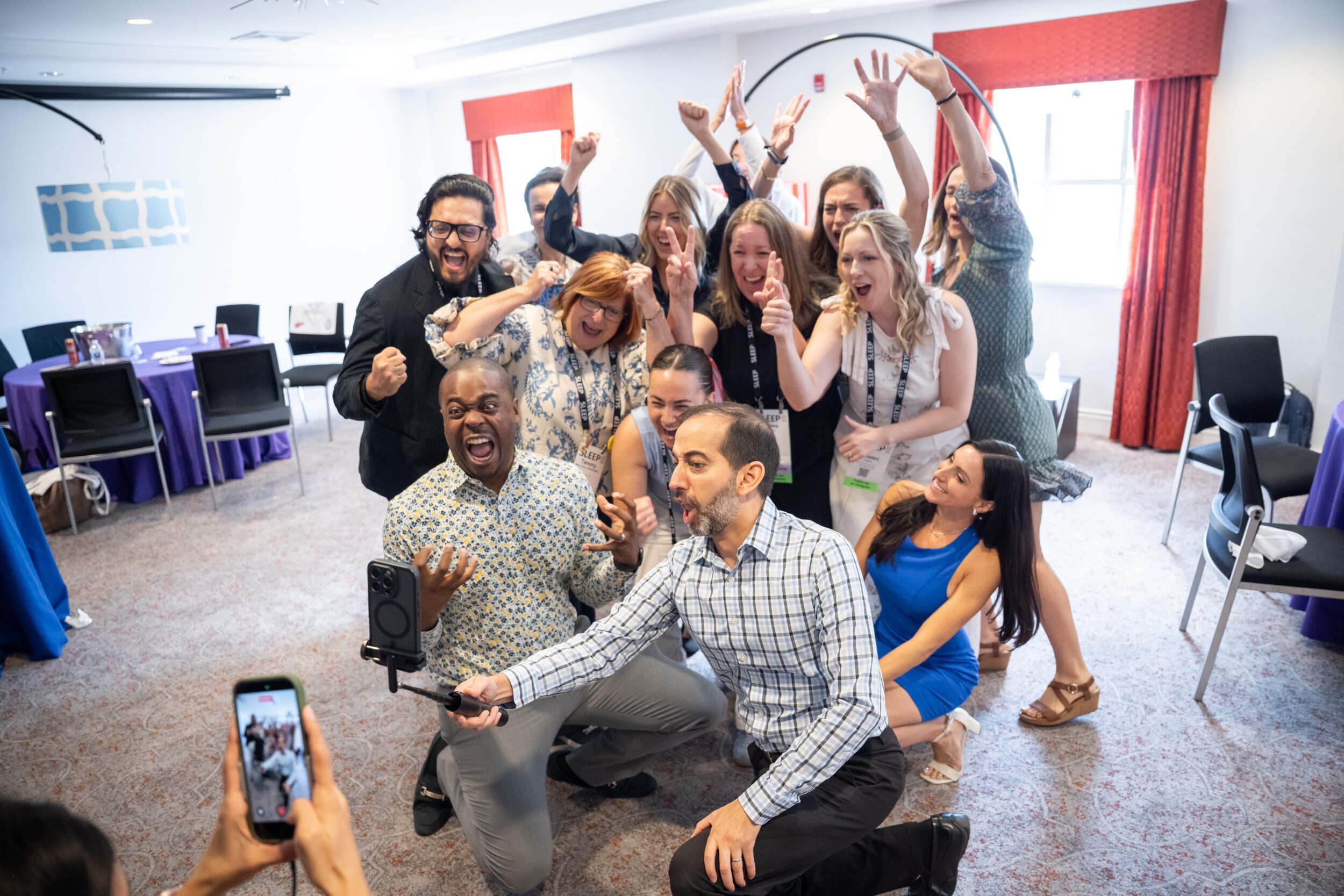
At first glance, the “Sleepfluencers” networking breakfast meetup before SLEEP 2026 might look friends having fun, taking selfies, and filming content to post on social media. But look closer, because this is ground zero in the fight against sleep misinformation.
Teresa Power of Sleep Better NYC launched the informal breakfast networking event in 2024 with co-hosts Mollie Eastman, founder of Sleep Is A Skill, and Emma Cooksey, host of the Sleep Apnea Stories podcast. The event was created to promote collaboration among content creators who share evidence-based sleep information with the public.
“The idea was to pull together clinicians, researchers, patient advocates, and other sleep enthusiasts who were attending the annual SLEEP conference, and give them an opportunity to meet, collaborate, and create engaging sleep content,” Power said.
Power said the need for the event became clear through her work with clients. “In my sleep coaching practice at Sleep Better NYC, I saw again and again that people were reaching for supplements, mouth tape, and pillows to fix their sleep issues before they considered sleep apnea testing, CBT-I, or seeing a board-certified sleep specialist,” she said. “Many of them didn’t even know sleep medicine was a specialty until they saw something on social media.”
Recently, the Pew Research Center found that 36% of Americans sometimes get health information from social media, and 22% get it from artificial intelligence (AI) chatbots like ChatGPT. People are turning to influencers—despite the majority of influencers having no medical background—often to learn about topics they feel uncomfortable discussing with their actual doctors. This is where sleepfluencers come in.
The Big Baby Sleep Debate
In recent years, there has been a battle raging online about how best to encourage babies to sleep. Sleep training remains an evidence-based option to help parents encourage their babies to fall back asleep on their own. Sujay Kansagra, MD, is a pediatric neurologist at Duke, creator of Instagram’s wildly popular @thatsleepdoc account, and inventor of the Lullabee smart crib mattress.
Kansagra knows parents need options and that sleep training won’t be right for every parent. He is keen to correct misinformation from content creators claiming sleep training is harmful to babies, a position not supported by scientific evidence.
“Parenting babies is hard enough without unhelpful and inaccurate messaging on social media,” Kansagra said. “Whatever we can do to get helpful, science-backed information to the public is worth it.”
Not only did Kansagra create fun and informative videos during the event, but he also knew it was critical to include other creators for a bigger reach. Those creators included Sarah Petroski, PGDIP, CPT, an insomnia and performance specialist; Teresa Power, a certified clinical sleep health educator and founder of Sleep Better NYC; Emma Cooksey, sleep apnea patient advocate and sleep apnea program manager at Project Sleep; Mollie Eastman, founder of Sleep Is A Skill and host of the Sleep Is A Skill podcast; and Chris Allen, MD, a pediatric neurologist and sleep specialist.
Not Just Sleep Quantity—Quality Matters
Allen is a sleep doctor treating kids and adults at his Quality Sleep and Neurology practice in Saginaw, Mich. Known to his followers as @sleepdrchris, Allen encourages his patients and growing audience to pay attention to the quality of the sleep they are getting.
“As a sleep doctor, I want my patients to get the recommended 7 to 9 hours of sleep per night, but it’s not just about time in bed,” Allen said. “If someone has obstructive sleep apnea but doesn’t know it or isn’t treating it, finding the perfect pillow or going to bed early isn’t going to help. Snoring is not normal and can be a sign of obstructive sleep apnea—a serious sleep disorder that requires medical treatment, not mouth tape or a special pillow.”
Emma Cooksey, one of the co-hosts of Sleepfluencers and a patient advocate living with obstructive sleep apnea, said, “I went 10 years without a diagnosis for obstructive sleep apnea despite going to primary care physicians with all the symptoms. I was snoring loudly, waking up gasping, and dealing with daytime sleepiness so intense that I had to excuse myself from meetings to splash cold water on my face to wake up. If I had been following some of the content creators at the Sleepfluencers event back then, maybe I could have been diagnosed more quickly.”
Stop “Sleepmaxxing”—Try This Instead
Shelby Harris, PsyD, CBSM, DBSM, a clinical psychologist and author of “The Women’s Guide to Overcoming Insomnia: Get a Good Night’s Sleep Without Relying on Medication,” specializes in CBT-I, the first-line treatment for insomnia. Harris recently recorded a TEDx talk and is a regular on the Today show. Her videos, on her Instagram account @SleepDocShelby, calling out misleading content about maximizing sleep through excessive effort, are exactly what we need.
“I often share with my patients the CBT-I principles that improve sleep quality, and they require acceptance that some nights will be better than others and that we’re shooting for meaningful improvements in sleep quality—not perfection,” Harris said.
Harris often explains to her followers that the pressure to achieve a perfect sleep score on an app connected to a wearable device can exacerbate anxiety around sleep and reduce sleep quality rather than improve it. People resonate with “reaction” and “hot take” style videos, and getting accurate information from a source they can trust is one of the many reasons Harris is so sought after for public-facing engagements.
Mollie Eastman, co-host of the Sleepfluencers event and founder of Sleep Is A Skill, brings a unique perspective to the conversation as both a former person with insomnia and a long-time sleep educator. Through her podcast, newsletter, and coaching work, Eastman helps people translate sleep science into practical behavior change.
“Lifestyle and behavioral shifts can make a meaningful difference for many people,” Eastman said, “but they are not a substitute for identifying and treating an underlying sleep disorder. That’s why the Sleepfluencers event matters so much: it brings together clinicians, researchers, patient advocates, and creators who are all committed to helping the public get accurate, accessible sleep information.”
Engaging the Public Where They Are
Sleepfluencers partnered with leading brands across the sleep health industry for the event. Lindsay McFarland, content strategist at Resmed, explained why the company was excited to sponsor this year’s Sleepfluencers event.
“At Resmed, we understand the improved quality of life people can have when they prioritize their sleep,” McFarland said. “Social media gives us the opportunity to share information about sleep health where people already are, especially those who may be living with a sleep disorder. People regularly turn to these platforms to learn more about their health and wellness, and it’s important that when they look for information about sleep health, they’re met with accurate and accessible content.”
Not everyone is on social media, which is why the Sleepfluencers event included podcasters, authors, and TEDx speakers alongside content creators. However, it’s no longer an option to bury our heads in the sand when we don’t agree with something on social media or think it is ridiculous. If you want to see ridiculous, go watch the Instagram Reels of your favorite Sleepfluencers dancing at 10 am on a Monday and notice that, collectively, 100,000 people have viewed it. They’re watching, and we have something important to tell them.
Emma Cooksey (Sleep Apnea Stories), Mollie Eastman (Sleep Is A Skill), and Teresa Power (Sleep Better NYC) co-hosted Sleepfluencers 2026.
Reference
1. Pasquini G, Stocking G, Kikuchi E, et al. Users of social media and AI chatbots for health information are more likely to say they are convenient than accurate. Pew Research Center. 2026 Apr 7. Available at www.pewresearch.org/science/2026/04/07/users-of-social-media-and-ai-chatbots-for-health-information-are-more-likely-to-say-they-are-convenient-than-accurate
Top image: Teresa Power, Emma Cooksey, Lindsay McFarland, and Mollie Eastman (L-R) at Sleepfluencers 2026.