
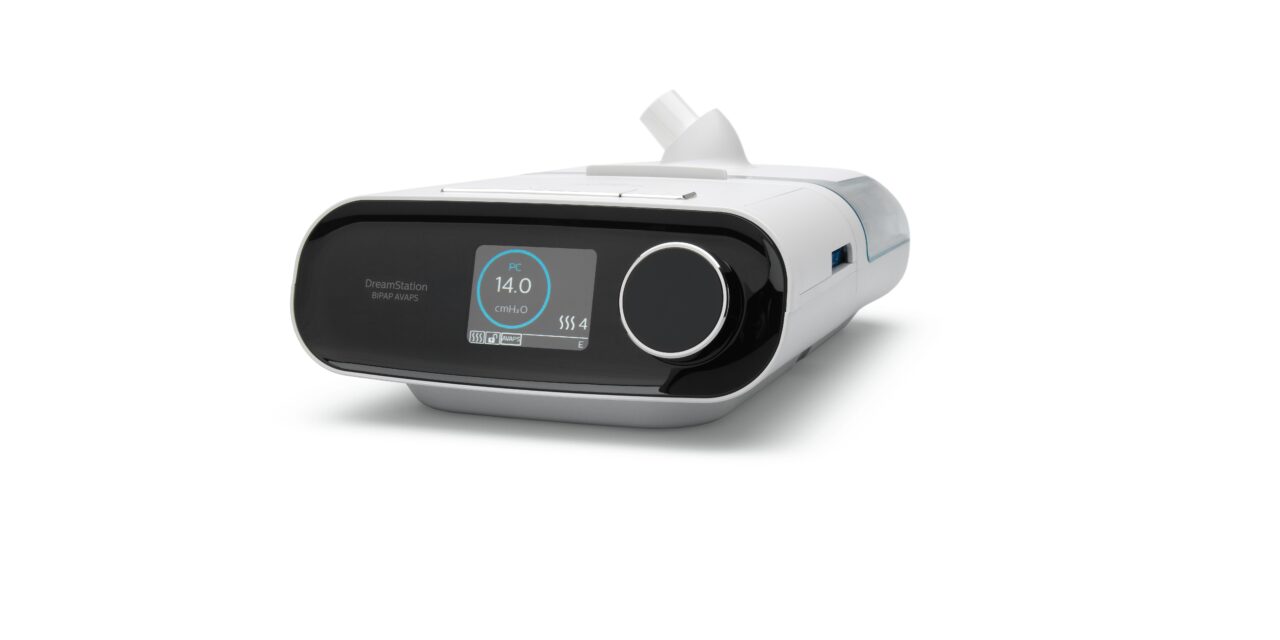
The devices are designated as medically necessary for a limited patient population older than 7 years and weighing 40 to 66 lbs who have obstructive sleep apnea and respiratory impairment.
Key takeaways:
- Philips Respironics DreamStation BiPAP AVAPS devices are now available in the US for new set-ups for patients older than 7 years of age weighing 40 to 66 lbs with obstructive sleep apnea and respiratory impairment.
- The devices are available only to Philips customers who meet specific distribution control and traceability requirements.
- Philips continues to work toward meeting the requirements of its consent decree to return to serving all patients.
Philips Respironics DreamStation BiPAP AVAPS devices are available for sale in the United States for new set-ups for a limited patient population. The devices are designated as medically necessary for patients with obstructive sleep apnea and respiratory impairment who are older than 7 years of age and weigh 40 to 66 lbs.
The available devices include S, T, S/T, and PC modes with AVAPS. According to the company, the availability of these devices will help address critical care gaps and supply challenges in the US by providing advanced respiratory support to lower-weight patient populations.
“Patient safety is at the heart of everything we do, and expanding access to advanced, reliable care is essential,” says Sam Talya, business category leader, therapy platforms, sleep and respiratory care at Philips, in a release. “The availability of DreamStation BiPAP AVAPS devices in the US for lower-weight patients supports a limited patient population. It is a signal of our commitment to ensure access to safe, effective respiratory solutions for patients who need them most.”
The devices will be available for purchase only to Philips customers who meet certain distribution control and traceability requirements. The DreamStation devices feature a new silicone sound-abatement foam and have undergone testing in accordance with applicable industry standards.
Philips states it is committed to delivering solutions grounded in clinical evidence. The company is also working to return to serving all patients who rely on its sleep and respiratory therapy devices in the United States when it has fully met the requirements of the Philips Respironics consent decree, a separate set of legal requirements that the company is working to meet.