The 150-patient, decentralized study will evaluate the efficacy of deep intracranial frequency stimulation for the treatment of moderate to severe insomnia.
Key takeaways:
- Nexalin Technology is launching a pivotal trial to support a de novo FDA submission for its HALO Clarity device to treat insomnia.
- The randomized, triple-blinded, sham-controlled study will enroll a minimum of 150 participants across the US.
- The trial utilizes a decentralized model via Nexalin’s NeuroCare virtual clinic to eliminate traditional site visits.
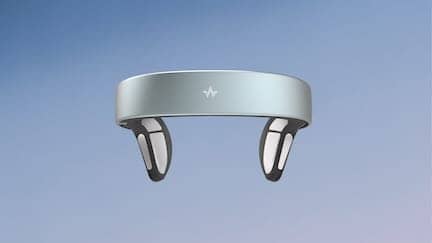
- HALO Clarity employs Deep Intracranial Frequency Stimulation (DIFS) to target deep brain structures involved in sleep regulation.
Nexalin Technology is advancing a pivotal clinical trial evaluating its HALO Clarity device for the treatment of moderate to severe insomnia. The study is designed to support a planned de novo submission to the US Food and Drug Administration (FDA).
The trial is being conducted in collaboration with Lindus Health, a clinical research organization engaged to oversee trial execution, regulatory preparation, and patient recruitment.
Designed as a randomized, triple-blinded, sham-controlled study, the trial aims to enroll a minimum of 150 participants across the United States. It is structured as a fully decentralized trial, allowing participants to complete treatments and assessments remotely through Nexalin’s NeuroCare virtual clinic and an electronic data capture system. This virtual model is intended to remove traditional site visit requirements and expand access to a broader patient population.
The study will include adults aged 22 to 65 with moderate to severe insomnia. Participants will be randomized to receive either active HALO Clarity therapy or a sham treatment for four weeks, followed by a four-week follow-up period to evaluate the durability of the response.
HALO Clarity utilizes Nexalin’s proprietary 15 mA Deep Intracranial Frequency Stimulation (DIFS) technology. Unlike approaches that primarily target cortical regions, Deep Intracranial Frequency Stimulation is engineered to modulate deeper neural circuits implicated in sleep architecture and regulation.
“This planned pivotal trial marks an important milestone for Nexalin,” says Mark White, CEO of Nexalin Technology, in a release. “Insomnia is a large and underserved market where millions of patients are seeking drug-free treatment options. Advancing HALO Clarity toward a fully powered pivotal study designed to support our planned FDA submission reflects the maturity of our DIFS platform and our commitment to expanding its clinical reach.”
This pivotal study builds on previously reported clinical results in chronic insomnia, including a 120-participant randomized, double-blind, placebo-controlled, multicenter study published in the Journal of Psychiatric Research. In that study, Nexalin reported clinically meaningful and statistically significant improvements across key sleep parameters compared to placebo, with no significant adverse effects. The company’s Gen-2 15 mA device has already received regulatory approvals internationally for insomnia and related indications.
Under the collaboration, Lindus Health will provide clinical research services, including protocol finalization, regulatory preparation, submission support, study management, data oversight, biostatistics, and medical writing.
“We are pleased to collaborate with Nexalin in the advancement of this important study,” says Michael Young, co-CEO of Lindus Health, in a release. “Our team looks forward to supporting the execution of a [robust], patient-centric trial designed to evaluate this novel approach to insomnia treatment.”
Nexalin aims for this study to further validate the potential of its technology and support efforts to expand regulatory pathways across additional neuropsychiatric indications.