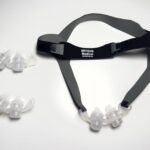
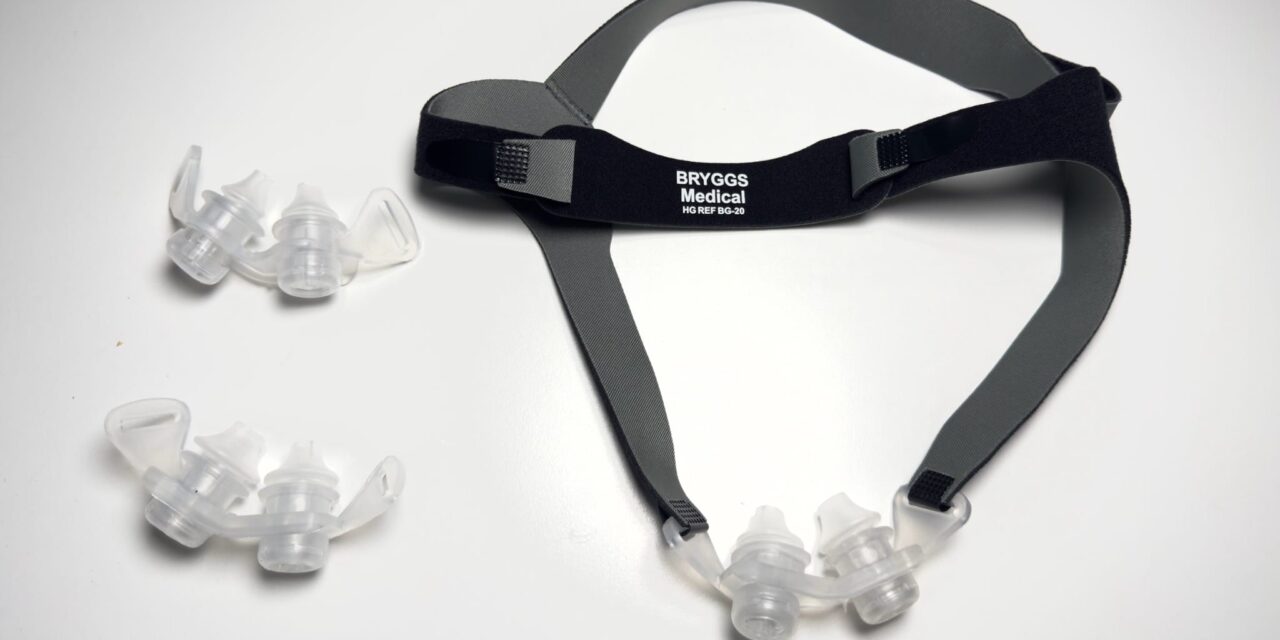
The prescription-only reusable EPAP device offers two therapeutic back pressure settings to treat obstructive sleep apnea.
Key takeaways:
- The ULTepap 2 allows adjustment of therapeutic back pressure to two different settings via removable valve caps.
- Removing the caps exposes a larger exhalation hole, lowering resistance while maintaining therapeutic pressure for users who find the original pressure too high.
- The prescription-only device is reusable, constructed with silicon nasal pillows and polycarbonate valves, and includes a three-year warranty on the valves.
Bryggs Medical has expanded its line of expiratory positive airway pressure (EPAP) solutions with the release of the ULTepap 2, a prescription-only device designed to treat patients with obstructive sleep apnea (OSA).
The newest iteration in the company’s EPAP lineup introduces the ability to adjust the therapeutic back pressure to two different settings. The ULTepap 2 comes equipped with caps on the end of each valve that deliver the same fixed back pressure as the original ULTepap (which features a fixed pressure of 0-20). If that pressure proves too high for the patient, the caps can be removed. This exposes a larger exhalation hole, which in turn delivers a lower, but still therapeutic, pressure by reducing resistance.
Built upon the design of the original ULTepap, the reusable device is constructed with silicon nasal pillows and polycarbonate valves. It also carries a three-year warranty on the valves.
EPAP devices offer an alternative for OSA patients, particularly those with positional or mild OSA who cannot tolerate CPAP therapy, or as part of combination therapy for patients with residual OSA despite other treatments. While EPAP efficacy tends to be lower than CPAP, the devices do not require a power source and typically fit in the palm of a hand. Unlike CPAP, which delivers a constant stream of air throughout the respiratory cycle, EPAP devices utilize a valve system to create backpressure from the user’s own breath, resisting airflow only during expiration to keep airways open while allowing unobstructed inhalation.