
An exploratory analysis using a patch-based system reveals significant differences in sleep architecture between home and laboratory environments.
Key takeaways:
- Patients using the Onera patch-based polysomnography system at home experienced significantly longer total sleep time, higher sleep efficiency, and more REM sleep compared to in-lab testing.
- Despite differences in sleep architecture, respiratory metrics, including the AHI, remained consistent between the two environments.
- 73% of study subjects indicated that their sleep in the lab was worse than at home.
- The findings suggest home polysomnography can provide a more representative picture of a patient’s natural sleep while freeing up lab beds for complex cases.
By Sree Roy
Polysomnography (PSG) performed in sleep labs is the diagnostic gold standard, but a new study suggests that the environment may significantly alter natural sleep architecture. An exploratory analysis shared at SLEEP 2026 comparing home and lab PSG using a patch-based system found that patients sleep longer and more efficiently at home, without compromising detection of sleep-disordered breathing.
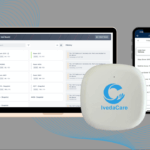
The study evaluated the Onera Sleep Test System, a patient-applied, type II home sleep study system, across seven German sleep clinics. Out of a larger validation study cohort, a subset of 52 adults completed both a full night in the lab and a full night at home with at least six hours in bed and at least four hours of scorable data, allowing for a direct comparison of sleep and respiratory metrics.
The results showed stark differences in sleep continuity. According to the final metrics (updated after the SLEEP abstract submission deadline), wake after sleep onset dropped by more than half in the home setting, from 54.3 minutes in the lab to 23.1 minutes at home. Sleep efficiency also rose from 81.1% to 89.1%. Additionally, home nights yielded longer total sleep time (408.1 versus 378.6 minutes) and more REM sleep (91.1 versus 76.4 minutes).
“A change of that magnitude in how consolidated sleep was simply from moving the recording from the lab into the patient’s own sleep environment in the home is striking,” says Steven Coughlin, PhD, clinical lead at Onera Health, which supported the study. “It underscores how unrepresentative a laboratory night might actually be of someone’s real sleep.”
The increase in REM sleep naturally tracks with the longer total sleep time at home, Coughlin notes. What’s more, because the study required a minimum of four hours of sleep and six hours of time in bed in both settings for inclusion, the analysis naturally favored patients who could sleep relatively well in a lab.
“Patients who struggle most in the lab, for example, those with insomnia, were more likely to have fallen out of that scored subset,” Coughlin says. “So if anything, that selection bias would have led to us understating the true differences between the two environments.”
Despite the shifts in sleep architecture, respiratory metrics remained stable. The mean apnea-hypopnea index was nearly identical between the settings, at around 28 to 29 events per hour. Patient feedback also favored the home environment, with 73% of subjects indicating their sleep in the lab was worse than at home. The patch-based system, which includes four sensors placed on the chest, abdomen, leg, and forehead, takes less than six minutes for most patients to apply themselves.
For sleep professionals, these findings highlight an opportunity to evolve diagnostic pathways.
“This data strengthens the case for home PSG being more than just a convenience,” says Bill Garner, vice president of global marketing at Onera Health. “If a laboratory night is not representative of your habitual sleep… then recording a patient’s sleep in their own bedroom, in their own bed, is not just easier and more comfortable. It’s going to be more clinically faithful and give you a better representative picture of their sleep.”
Garner emphasizes that home PSG is not intended to replace the sleep lab, but rather to make healthcare systems more scalable as patient volumes rise.
“Home PSG is about making sleep labs more efficient and keeping in-lab beds for those that truly need them by adding another tool to the sleep diagnostics toolbox,” Garner says.