The FDA authorizes Beacon Biosignals’ Predetermined Change Control Plan for the Dreem 3S EEG headband, enabling continuous algorithm updates to advance sleep monitoring and clinical-grade EEG analytics.
Summary: Beacon Biosignals announced FDA authorization of the Predetermined Change Control Plan (PCCP) for the Dreem 3S, a wearable EEG headband for sleep monitoring. This authorization allows Beacon to update the device’s sleep staging algorithm without requiring a new 510(k) submission, streamlining advancements in machine learning and improving its capabilities. The Dreem 3S, which offers clinical-grade EEG data from the comfort of patients’ homes, is designed to assess sleep disorders and support therapy development in neurology, psychiatry, and other fields.
Key Takeaways:
- PCCP Enables Rapid Algorithm Updates: The FDA’s PCCP authorization allows Beacon Biosignals to enhance the Dreem 3S sleep staging algorithm without new regulatory submissions, ensuring faster integration of advancements in AI and machine learning.
- Dreem 3S Offers Clinical-Grade Home Sleep Monitoring: Equipped with six dry-EEG electrodes, the Dreem 3S collects clinical-grade data at home, validated to match or exceed the accuracy of human experts.
- Advancing Research in Neurology and Psychiatry: The Dreem 3S, supported by Beacon’s broader EEG analytics platform, aids in sleep disorder research and therapy development for conditions like major depressive disorder.
Beacon Biosignals announced US Food and Drug Administration (FDA) authorization of the Predetermined Change Control Plan (PCCP) for the Dreem 3S, a wearable EEG headband designed for sleep monitoring.
This authorization enables Beacon to implement updates to the Dreem 3S sleep staging algorithm without requiring a new 510(k) submission, accelerating the development of improved capabilities for this advanced medical device.
“The Dreem 3S, which originally received FDA 510(k) clearance in August 2023, has already transformed sleep monitoring with its in-home EEG capabilities, offering a clinically validated alternative to in-lab polysomnography for assessing sleep architecture. Now, this PCCP authorization, the first for a sleep-focused wearable device, allows Beacon to further refine the machine learning algorithms powering Dreem 3S, ensuring that updates meet rigorous safety and efficacy standards while keeping pace with advancements in machine learning and neurotechnology,” reads a release from the company.
Advancing Algorithm Development for Sleep Monitoring
Earlier this year, Beacon received the FDA’s first PCCP authorization for a sleep-related medical device with its SleepStageML AI software, which can autoscore and analyze signals acquired from any EEG or polysomnograph.
“With increasingly sophisticated AI powering the Dreem 3S medical device, Beacon is poised to transform the patient journey for millions affected by serious CNS diseases, such as major depressive disorder, where assessing disturbed sleep is central to better diagnosis and treatment decisions,” says Jacob Donoghue, MD, PhD, CEO and co-founder of Beacon Biosignals, in a release.
The PCCP outlines a stringent validation process for algorithm updates, guaranteeing that any changes are rigorously tested against clinical performance benchmarks. This framework allows Beacon to address evolving scientific knowledge, improve patient outcomes, and adapt to the needs of researchers and clinicians without additional regulatory submission.
“With the PCCP in place, we can rapidly integrate new advancements in machine learning into Dreem 3S, ensuring even greater accuracy and reliability in sleep staging. This capability will deepen insights into sleep disorders and strengthen our ability to support therapy development in neurology, psychiatry, and beyond,” says Alexander Chan, PhD, vice president of analytics and machine learning at Beacon Biosignals, in a release.
Clinical-Grade Sleep Monitoring in the Comfort of Home
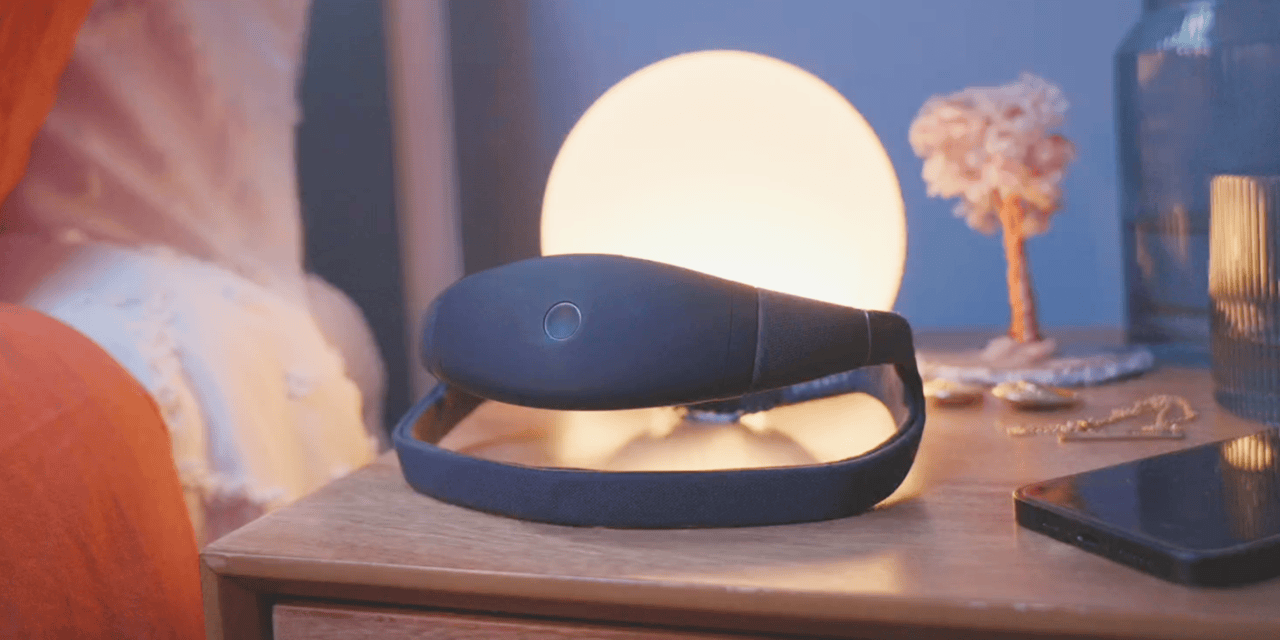
The Dreem 3S headband, equipped with six dry-EEG electrodes and an accelerometer for head movement and body position monitoring, collects clinical-grade EEG data in the comfort of the patient’s home. The device’s AI-driven sleep staging capabilities have already been validated to perform as well or better than human experts. The newly approved PCCP ensures the ongoing enhancement of these capabilities, reinforcing Beacon’s leadership in clinical-grade EEG analytics and sleep research.
The PCCP authorization also complements Beacon’s broader machine learning platform for EEG analysis, which supports research and clinical trials for neurological, psychiatric, and sleep-related disorders.
Photo caption: Dreem 3S headband
Photo credit: Beacon Biosignals
Further Reading for You: