Researchers have identified molecular differences in saliva that can detect 24-hour sleep deprivation with 94% accuracy.
Key takeaways:
- A new study identified 10 molecular differences in the saliva of men who stayed awake for 24 hours compared to when they were well-rested.
- A predictive model based on these salivary metabolites correctly identified sleep-deprived samples 94% of the time.
- Researchers are planning a large-scale assessment involving over 1,000 samples from shift workers, women, and frequent drivers to further validate the model.
Staying awake for 24 hours leaves behind a detectable “sleepiness fingerprint” in saliva, representing a step toward a noninvasive test for sleep deprivation, according to research published in the American Chemical Society’s Journal of Proteome Research.
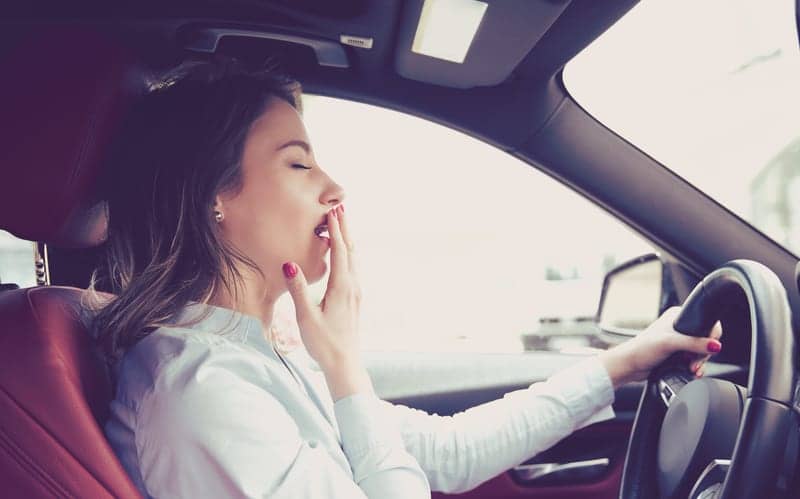
Researchers set out to determine if saliva contains metabolites that change after sleep loss, hoping to eventually develop a test for sleepiness that could be conducted in clinical settings or during roadside checks.
“Until now, sleep deprivation has been impossible to measure biochemically—and yet it is one of the greatest burdens of our time,” says Thomas Kraemer, PhD, corresponding author of the study, in a release. “This study introduces the first direct biomarkers of sleep loss in saliva under real-world conditions, marking a milestone in forensic investigations.”
The research team recruited 20 healthy young adult males who typically sleep seven to nine hours a night. The participants completed three sleep scenarios in a random order, each separated by a week: deprivation (one night without sleep), restriction (four nights with two hours less sleep than usual), and well-rested (around eight hours of sleep).
By collecting saliva before and after each scenario and analyzing the samples’ metabolite compositions, the researchers determined 10 molecular differences between the sleep-deprived and well-rested samples. In contrast, the sleep-restricted state showed no significant metabolic difference from the rested state.
The team then developed and trained a predictive model based on the varying saliva metabolites. The model correctly identified samples from sleep-deprived individuals 94% of the time.
Researchers noted that the mistakes made by the model were likely attributable to individual metabolic processes. For example, after being awake for a day, some participants did not return to a fully rested metabolic profile even after eight hours of sleep, suggesting that duration may not be enough time for everyone to fully recover.
To build on these findings, the team is undertaking a large-scale international assessment of the predictive model, expanding tests to over 1,000 samples collected from shift workers, women, and frequent drivers.