Summary: EnsoData enhances its FDA-cleared EnsoSleep PPG home sleep testing solution by adding three new physiological data channels—acoustic flow, snore, and actigraphy—without additional hardware or cost, simplifying at-home sleep disorder diagnosis and potentially benefiting reimbursement processes.
Key Takeaways:
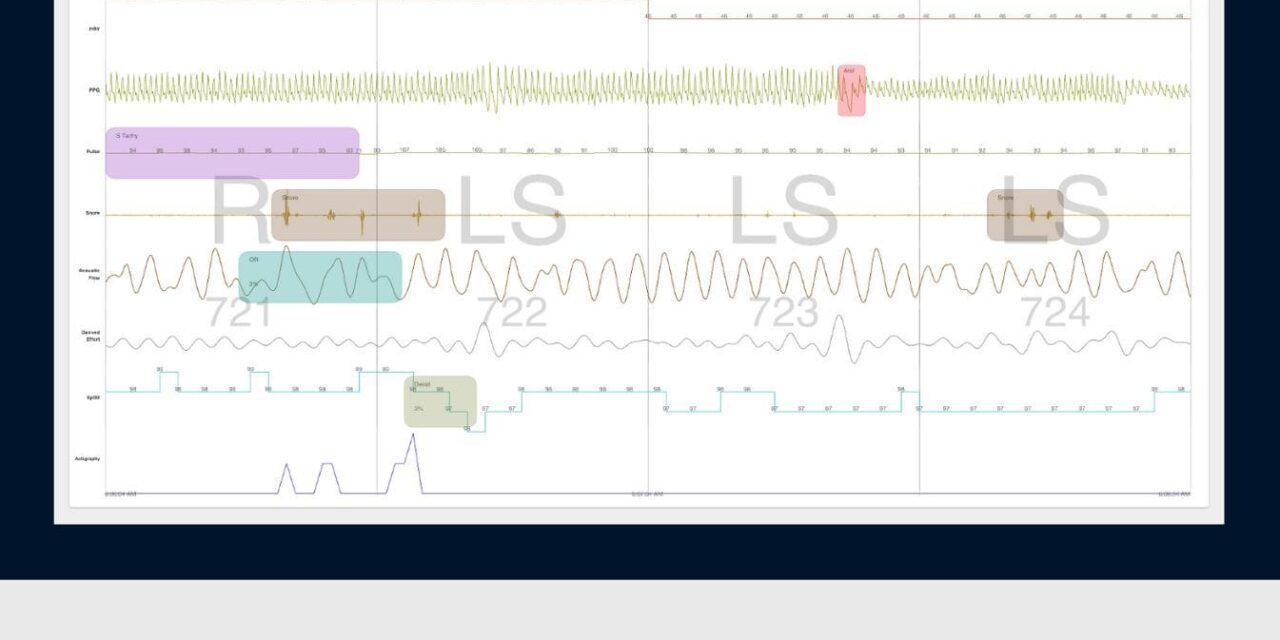
- Snore and acoustic flow are collected using the microphone of a patient’s mobile device.
- Celeste+ produces an EnsoData Audio Respiratory Score (eARS), indicating the average breath interruption count per hour, which can be added to the EnsoSleep PPG report.
- The actigraphy channel displays movement data collected from accelerometers embedded in FDA-cleared EnsoSleep PPG compatible devices.
- Actigraphy data will be initially available with the BodiMetrics circul pro ring, with more device integrations coming soon.
EnsoData is enhancing its US Food and Drug Administration (FDA)-cleared EnsoSleep PPG home sleep testing solution by integrating three new physical channels. These channels provide additional physiological data to support sleep clinicians in diagnosing and treating sleep disorders using FDA-cleared pulse oximeters.
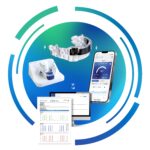
EnsoData introduces all three channels at no extra cost and without additional hardware. The FDA-cleared Drowzle Pro, rebranded as Celeste+, captures acoustic flow and snore data from the microphone of a mobile device, while the actigraphy channel (initially available with the BodiMetrics circul pro ring, with more device integrations coming soon) displays movement data from accelerometers embedded in existing PPG-enabled devices.
Celeste+ includes the EnsoData Audio Respiratory Score (eARS), a metric that tracks the number of breathing interruptions per hour using only the built-in microphone on the patient’s smartphone, enabling convenient, at-home screening for sleep-disordered breathing.
“Adding three new channels is a major step forward for EnsoSleep PPG,” says Fred Turkington, senior vice president of product management at EnsoData, in a release. “The new flow, snore, and actigraphy data are added on top of the existing respiratory analysis of peripheral arterial tone. These channels make raw data interpretation more intuitive for physicians by aligning PPG-based home sleep testing more closely with in-lab PSGs and legacy HSAT signals. Best of all, we accomplished this with no extra hardware for patients to manage. They need only their smartphone and a pulse oximeter.”
The new physiological channels provide operational benefits as well. For example, the number and types of available recorded channels are criteria frequently referenced in reimbursement policies for home sleep tests.